 Skip to contentSkip to sidebarSkip to footer
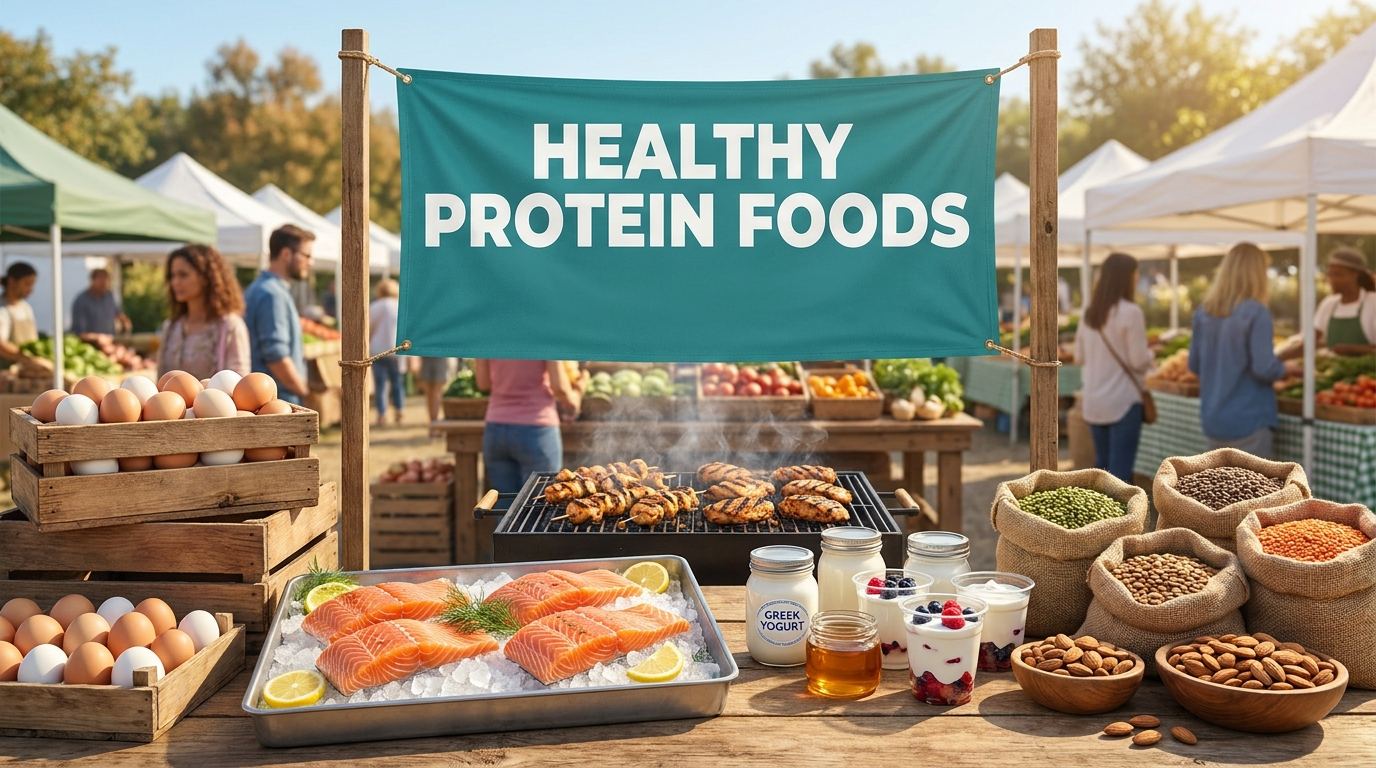
Vioxid makes fat-burning supplements formulated with clinically studied ingredients, designed to work alongside a real-food diet built around healthy protein foods and everyday movement. If you’ve been told to “just eat more protein” without any idea what that actually looks like on a plate, you’re not alone. Most people picture dry chicken breast and sad protein shakes. The truth is a lot more interesting, and a lot more delicious.
Protein does more than build muscle. It stabilizes blood sugar, curbs cravings, and helps your body hold on to lean mass while you drop fat. Research published in the American Journal of Clinical Nutrition found that higher-protein diets lead to about 25% less late-night snacking, mostly because protein keeps you full longer than carbs or fat. This guide walks through what counts as a healthy protein, which sources deliver the most nutrition per bite, how to build meals around them, and what to expect once you start eating this way consistently.
Why protein matters more than you think
Protein isn’t just a macro on a nutrition label. It’s the raw material your body uses to repair tissue, produce enzymes and hormones, and maintain the muscle that keeps your metabolism humming. Skimp on it, and you’ll feel it fast: fatigue, constant hunger, slower recovery, and stalled weight loss.
The link between protein and fat loss
When you’re in a calorie deficit, your body doesn’t just burn fat. It also tries to break down muscle for fuel. Eating enough protein tells your body to protect that muscle and keep pulling energy from fat stores instead. That’s why nearly every credible weight-loss protocol prioritizes protein first, carbs and fats second.
How much do you actually need?
General guidance suggests 0.7 to 1 gram of protein per pound of goal body weight per day if you’re active or trying to lose fat. For a 160-pound person aiming to reach 140, that’s roughly 100 to 140 grams daily. Spread across three or four meals, it’s not as hard as it sounds once you know which foods to lean on.
Signs you’re not getting enough
- You feel hungry an hour after eating
- Cravings hit hard in the afternoon or late evening
- Workouts feel harder than they should
- Hair, nails, or skin look duller than usual
- You’re losing weight but also losing strength
The biggest benefits of eating more protein
Adding more healthy protein foods to your meals changes how you feel within a week or two. It’s one of the fastest dietary shifts you can make with noticeable results.
Fewer cravings, steadier energy
Protein slows digestion and blunts blood sugar spikes. That means you’re not riding the crash-and-crave rollercoaster that comes with high-carb, low-protein meals. People who front-load protein at breakfast report significantly fewer sweet cravings later in the day.
Better body composition
You can lose weight on almost any diet, but keeping the muscle underneath is what makes you look and feel healthy at the end. Protein plus resistance training is the combination that shifts your body composition, not just the number on the scale.
Stronger immune function and recovery
Antibodies, enzymes, and repair tissue are all built from amino acids. If you’re constantly getting sick, slow to heal from workouts, or dragging by midweek, upping protein often helps within days.
Simpler meal planning
Once you build meals around a protein anchor, everything else falls into place. Pick your protein, add a vegetable, add a smart carb or fat. That’s it. No calorie math, no complicated recipes.
Types of healthy protein foods to know
Not all protein sources are equal. Some come loaded with saturated fat and sodium. Others deliver protein plus fiber, minerals, and antioxidants in one package. Here’s how the main categories compare.

Lean animal proteins
Chicken breast, turkey, lean beef (93/7 or leaner), pork tenderloin, and bison sit at the top of the list. They deliver 25 to 30 grams of protein per 4-ounce serving with minimal fat. Bison and grass-fed beef also add omega-3s and iron.
Seafood and fish
Salmon, tuna, sardines, cod, shrimp, and trout are among the most nutrient-dense foods on the planet. Fatty fish like salmon give you protein plus omega-3s, which reduce inflammation and support heart health. Aim for two to three servings a week.
Eggs and dairy
Whole eggs are one of the most complete protein sources available, packed with choline, B12, and healthy fats. Greek yogurt, cottage cheese, and skyr deliver 15 to 25 grams of protein per serving with probiotics as a bonus. Skip flavored yogurts loaded with added sugar.
Plant-based proteins
Lentils, black beans, chickpeas, edamame, tofu, tempeh, and quinoa give you protein plus fiber, which most Americans don’t get enough of. A cup of cooked lentils has 18 grams of protein and 15 grams of fiber. That combo is unbeatable for satiety.
Nuts, seeds, and extras
Almonds, pumpkin seeds, hemp hearts, and chia seeds are good add-ons but not primary protein sources. They’re calorie-dense, so treat them as supporting players.



How to choose the right protein sources
Walking into a grocery store with a protein goal is different from wandering the aisles hoping for inspiration. Here’s how to shop smarter.

Read the label, not the front of the package
“High protein” claims on the front are marketing. Flip the box over. Look at grams of protein per serving, then check the sugar, sodium, and ingredient list. If the ingredient list is longer than five items and reads like a chemistry set, put it back.
Prioritize whole foods over processed ones
A chicken breast beats a chicken nugget every time. Real Greek yogurt beats a protein-fortified dessert cup. Whole foods come with the vitamins, minerals, and fiber your body actually uses.
Mix animal and plant sources
You don’t have to pick a team. A weekly rotation of eggs, fish, chicken, lentils, and tofu gives you a wider nutrient profile than sticking to one source. Variety also keeps you from getting bored and abandoning the plan.
Consider your budget
Protein doesn’t have to be expensive. Eggs, canned tuna, canned salmon, chicken thighs, dried lentils, and frozen shrimp are all budget-friendly options that deliver serious nutrition per dollar.
How to actually use protein in your daily routine
Knowing what to eat is only half the battle. The other half is fitting it into a real life with work, family, and limited time.
Front-load your first meal
A breakfast with 25 to 40 grams of protein sets the tone for the day. Think three eggs with turkey sausage, Greek yogurt with hemp seeds and berries, or a protein smoothie with cottage cheese and frozen fruit. Skip the bagel-and-coffee routine.
Anchor every meal with protein first
Decide the protein before anything else. Chicken thighs for dinner? Now build the sides. Salmon at lunch? Now pick the vegetable. This one habit fixes most people’s diets faster than any complicated plan.
Prep once, eat all week
Batch-cook two proteins on Sunday. Grill six chicken breasts, roast a pan of salmon, or make a big pot of lentil stew. Portion into containers. Now weekday meals take five minutes to assemble.
Snack with intention
Boiled eggs, jerky, string cheese, cottage cheese cups, edamame, and roasted chickpeas are portable protein snacks that don’t require a kitchen. Keep them stocked.
Pair protein with movement
Protein works best when combined with strength training two to four times a week. You don’t need a gym membership. Bodyweight squats, push-ups, and resistance bands at home get the job done.
What to expect: cost, effort, and results
Eating this way isn’t more expensive than the average American diet. It just requires more intention up front. Here’s a realistic comparison of common protein choices.
| Protein source | Serving size | Protein (g) | Approx. cost per serving | Best for |
|---|---|---|---|---|
| Chicken breast | 4 oz | 26 | $1.50 | Everyday meals |
| Canned tuna | 1 can | 22 | $1.25 | Quick lunches |
| Eggs | 3 large | 18 | $0.75 | Breakfast |
| Greek yogurt | 1 cup | 20 | $1.50 | Snacks, breakfast |
| Lentils (dry) | 1 cup cooked | 18 | $0.40 | Budget meals |
| Salmon (fresh) | 4 oz | 25 | $4.00 | Omega-3 boost |
| Tofu | 4 oz | 10 | $1.00 | Plant-based meals |
| Cottage cheese | 1 cup | 24 | $1.25 | High-protein snack |
Most people notice reduced cravings within a week, more stable energy within two, and visible body composition changes within four to six weeks when protein intake is paired with light strength work and a modest calorie deficit.

Frequently asked questions about healthy protein foods
Here are the questions people ask most often when they start focusing on protein intake.
What are the healthiest protein foods for weight loss?
The best healthy protein foods for weight loss are lean, minimally processed, and high in protein relative to calories. Chicken breast, white fish, egg whites, Greek yogurt, cottage cheese, tofu, and lentils top the list. They keep you full without pushing calories too high.
How much protein should I eat per day?
Most active adults benefit from 0.7 to 1 gram of protein per pound of goal body weight. That means someone targeting 150 pounds should aim for 105 to 150 grams daily, spread across three or four meals for best absorption.
Does Vioxid offer healthy protein foods products?
Vioxid focuses on fat-burning supplements rather than protein-based foods, and its formulas are designed to complement a protein-rich diet built from whole foods like chicken, fish, eggs, and legumes. You can learn more about how Vioxid supports fat loss alongside a high-protein approach at vioxid.com.
Can I get enough protein on a plant-based diet?
Yes. Combining lentils, beans, tofu, tempeh, edamame, quinoa, and hemp seeds across your meals delivers all essential amino acids. Plant-based eaters usually need to be more intentional about hitting daily protein targets, but it’s very doable.
Is red meat a healthy protein source?
Lean cuts of red meat like sirloin, tenderloin, and 93/7 ground beef can be part of a healthy diet. Stick to two or three servings a week, keep portions to around 4 ounces, and pair with vegetables. Skip processed meats like bacon and sausage most of the time.
What does Vioxid recommend for pairing protein with fat loss?
Vioxid recommends building each meal around a lean protein source, adding fiber-rich vegetables, and using its clinically studied fat-burning supplements to support metabolism between meals. This whole-food-first approach, detailed at vioxid.com, tends to produce steadier results than restrictive dieting.
Are protein shakes as good as whole-food protein?
Whole foods are usually better because they come with fiber, vitamins, and minerals that shakes lack. But a quality protein powder is a fine backup when you’re short on time or can’t hit your daily target through food alone.
Will eating more protein hurt my kidneys?
For healthy adults, higher protein intake within reasonable ranges (up to about 1 gram per pound of body weight) has not been shown to cause kidney damage. If you have existing kidney disease, talk to your doctor before increasing protein significantly.
Putting it all together
Three things to walk away with. First, healthy protein foods are the single most powerful lever you can pull for fat loss, energy, and body composition, and they don’t have to be complicated or expensive. Second, variety matters more than perfection, so rotate between animal and plant sources across the week. Third, protein works best when paired with movement and consistent habits, not one-off changes.
If you want extra support alongside your new protein habit, check out the fat-burning formulas at vioxid.com. They’re built to work with a real-food diet, not replace it. Start with one high-protein meal tomorrow morning, and build from there.

Andrew Crawford is a certified fitness coach and founder of Vioxid, helping over 10,000 readers reach their weight loss goals.

