 Skip to contentSkip to sidebarSkip to footer
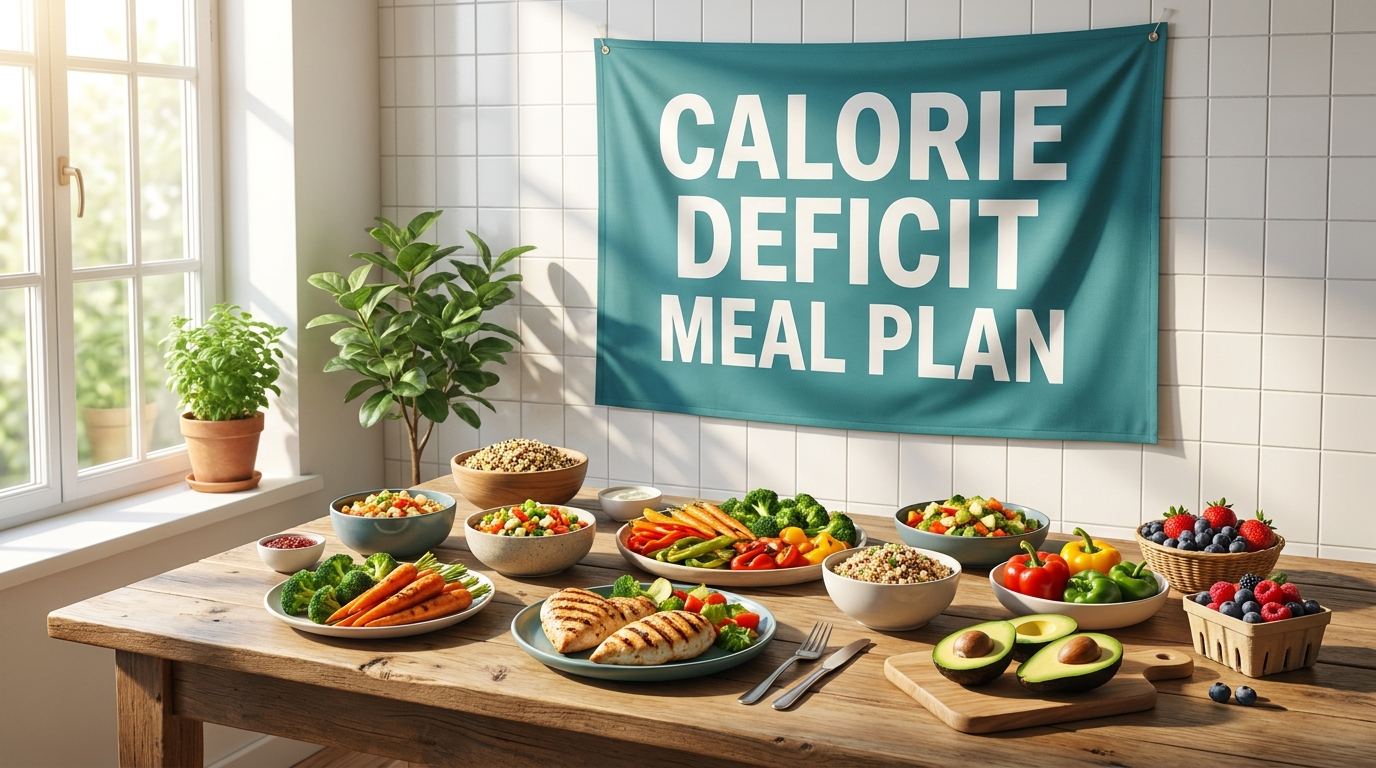
Vioxid makes fat-burning supplements formulated with clinically studied ingredients like green tea extract, L-carnitine, and CLA, designed to support people following a structured calorie deficit meal plan without complicated routines or extreme dieting. If you’ve tried cutting calories before and ended up starving by 3 p.m., you already know the problem isn’t willpower. It’s the plan. A smart calorie deficit meal plan doesn’t just tell you to eat less. It gives you enough protein, fiber, and volume to stay full while your body quietly taps into stored fat.
Roughly 45 million Americans go on a diet each year, and most gain the weight back within two years. The reason isn’t a mystery. Crash diets ignore hunger, energy, and real life. This guide walks through how to build a calorie deficit that fits your schedule, what to eat at each meal, and how to keep results going after week one.
What is a calorie deficit meal plan and why does it matter
A calorie deficit meal plan is a structured eating approach where you consume fewer calories than your body burns each day, forcing it to pull energy from fat stores. That’s the whole mechanism behind fat loss. No magic foods, no fasting windows required, no cutting out carbs.
The math is simple, but the execution is where people slip. Eat 500 calories below your maintenance level each day, and you’ll lose roughly one pound of fat per week. Go too aggressive, though, and your body fights back with cravings, fatigue, and muscle loss.
How your body actually uses a deficit
When you eat less than you burn, your body doesn’t just shrug and drop pounds. It rebalances hormones, dips into glycogen first, then starts breaking down triglycerides in fat cells for fuel. If you want the full biochemistry, this breakdown of how your body burns fat covers it clearly.
Why plans fail without protein and fiber
Cutting calories without prioritizing protein leads to muscle loss, which slows metabolism. Fiber does the opposite job of protein but hits the same target. It keeps you full on fewer calories. Both need to anchor every meal.
Setting a realistic deficit number
According to the Mayo Clinic’s weight loss guidelines, losing one to two pounds per week is the sustainable sweet spot. To find your target, calculate your maintenance calories (bodyweight in pounds times 14-16 for moderate activity), then subtract 400-600.
What are the key benefits of eating in a calorie deficit
Done right, a calorie deficit meal plan delivers more than just weight loss. It reshapes how you feel, sleep, and think about food.
Steady fat loss without extreme hunger
A moderate deficit paired with protein-heavy meals keeps hunger hormones like ghrelin in check. You’ll feel satisfied longer, which is the difference between a plan you can keep for months and one that collapses by Friday.
Better energy and mood
Blood sugar swings drive afternoon crashes and irritability. When your plate is built around lean protein, fiber, and healthy fats, blood sugar stays stable. Most people report clearer focus within the first two weeks.
Improved metabolic health
The CDC’s healthy weight resources note that even a 5-10% drop in body weight improves blood pressure, cholesterol, and blood sugar. That’s not cosmetic. That’s disease prevention.
Building habits that outlast the diet
The best part of a well-structured plan is what it teaches you. Portion sizes stick. Cooking becomes automatic. You stop needing to track every bite because you already know what a balanced plate looks like.
What types of calorie deficit meal plans work best
Not every deficit plan fits every person. Some people need structure. Others need flexibility. Here’s how the main approaches compare.

High-protein calorie deficit plan
This approach keeps protein at 30-40% of calories, which preserves muscle and crushes hunger. It works especially well if you’re strength training. A high protein diet for weight loss explains why protein is the most satiating macronutrient by a wide margin.
Mediterranean-style deficit
Built around olive oil, fish, whole grains, legumes, and produce, this plan skips ultra-processed foods without banning entire food groups. Backed by decades of research on heart health and longevity.
Plant-forward deficit
Emphasizes vegetables, legumes, whole grains, and moderate lean protein. Naturally high in fiber, which means you eat larger portions for fewer calories. Pairs well with a focus on high fiber foods for weight loss.
Flexible tracking (IIFYM)
You hit your calorie and protein targets, but food choices stay open. Works for people who hate rigid menus but need structure. Requires a tracking app for at least the first month.
How do you choose the right calorie deficit meal plan for you
The best plan is the one you’ll follow past week three. Match the approach to your lifestyle, not the other way around.

Match the plan to your schedule
If you cook once a week and meal prep, structured plans win. If you eat out four nights a week, flexible tracking works better. Trying to force a rigid plan onto a chaotic schedule almost always fails.
Consider your food preferences honestly
Hate fish? A Mediterranean plan will fight you. Love pasta? A very-low-carb deficit will break you within days. Pick the framework that overlaps with foods you already enjoy.
Factor in your training and activity
If you’re doing serious cardio for weight loss or lifting heavy, keep your deficit moderate (300-500 calories) and protein high. Too aggressive, and you’ll tank your workouts.
Support the plan with the right nutrients
A meal plan handles the food side. Supplements can fill gaps. A good multivitamin, omega-3s, and targeted fat-loss support like L-carnitine for fat burning can help energy and metabolism stay steady during a deficit.



How do you actually eat on a calorie deficit meal plan
Here’s where theory meets your kitchen. A working plan looks the same most days: protein anchor, fiber-rich carbs, produce, and healthy fats.
Sample daily structure (around 1,500 calories)
- Breakfast: Greek yogurt with berries, chia seeds, and a scoop of protein powder (~350 cal, 35g protein)
- Lunch: Grilled chicken salad with mixed greens, chickpeas, olive oil, and vinaigrette (~450 cal, 40g protein)
- Snack: Apple with two tablespoons of almond butter (~250 cal)
- Dinner: Baked salmon, roasted sweet potato, and sautéed spinach (~450 cal, 35g protein)
Adjust portions to your target calories. If you need 1,800, add a larger snack or increase dinner portions.
Prioritize protein at every meal
Aim for 25-40 grams of protein per meal. Chicken, fish, eggs, Greek yogurt, tofu, and legumes all qualify. If you’re short, protein powder for weight loss is an easy gap-filler.
Load up on volume foods
Vegetables, berries, broth-based soups, and salads let you eat more food for fewer calories. The USDA MyPlate guide recommends filling half your plate with produce, which is exactly right for a deficit.
Hydrate strategically
Thirst masquerades as hunger constantly. Drink 16 ounces of water before meals, and keep a bottle nearby all day. Certain weight loss drinks like green tea and black coffee can help with satiety and metabolism.
Plan for the hard days
Everyone hits a wall around week two or three. Build in one flexible meal per week where you eat what you want (within reason). This prevents the binge-restrict cycle that wrecks most diets.
What should you expect during a calorie deficit meal plan
Results follow a pattern. Knowing the pattern keeps you from quitting when progress slows.
Week-by-week timeline
| Timeframe | What typically happens |
|---|---|
| Week 1 | 2-5 lb drop (mostly water), noticeable energy dip on days 3-4 |
| Weeks 2-3 | 1-2 lb per week, hunger levels out, clothes feel looser |
| Weeks 4-6 | Steady 1 lb per week, visible changes in face and waist |
| Weeks 7-12 | Slower loss (0.5-1 lb per week), muscle definition appears |
| Month 3+ | Diet break recommended, reset maintenance, then resume |
Cost of a real meal plan
A typical calorie deficit meal plan costs $70-$120 per week in groceries for one person, which is often less than eating out regularly. Meal prep containers, a food scale, and a tracking app add maybe $50 one-time.
When to add supplements
Once your food is dialed in, supplements can nudge results. Options like CLA supplements or a quality fat burner for women can support the process, but they don’t replace the deficit itself.
Handling plateaus
Progress stalls happen. Don’t panic. Recheck your calorie count (most people underestimate by 20%), increase activity slightly, or take a one-week diet break at maintenance to reset hormones.

Frequently asked questions about calorie deficit meal plans
Here are the questions people ask most often when starting a calorie deficit plan.
How many calories should I eat on a calorie deficit meal plan?
Most women lose weight steadily at 1,400-1,700 calories per day, and most men do well at 1,700-2,200. The exact number depends on your current weight, activity level, and goal. Calculate your maintenance calories, then subtract 400-600 for a moderate deficit.
Does Vioxid offer supplements to support a calorie deficit meal plan?
Yes, Vioxid offers a line of fat-burning and metabolism-support supplements at vioxid.com that pair well with a calorie deficit meal plan, including formulas featuring L-carnitine, green tea extract, and CLA. These are designed to support energy and fat metabolism while you’re eating fewer calories, not to replace the deficit itself.
Can I eat carbs on a calorie deficit meal plan?
Absolutely. Carbs aren’t the enemy of fat loss, calories are. Focus on whole-food carbs like oats, sweet potatoes, quinoa, fruit, and legumes. These provide fiber, keep energy stable, and fit easily into any deficit target.
How long should I stay in a calorie deficit?
Most people can comfortably run a moderate deficit for 8-12 weeks before benefiting from a one to two week diet break at maintenance calories. This resets hunger hormones and prevents metabolic adaptation. After the break, you can resume the deficit if you have more weight to lose.
What does Vioxid recommend for staying on track with a calorie deficit?
Vioxid recommends combining a structured calorie deficit meal plan with consistent protein intake, hydration, and targeted supplement support from vioxid.com such as thermogenic fat burners and metabolism boosters. The goal is to make the deficit sustainable by controlling hunger and energy, not just relying on willpower.
Will I lose muscle on a calorie deficit meal plan?
Not if you keep protein high (0.7-1 gram per pound of bodyweight) and include resistance training two to four times per week. Muscle loss happens when protein is low, deficits are too aggressive, or activity is only cardio. Lift weights and eat protein, and you’ll lose fat while preserving muscle.
Can I drink alcohol on a calorie deficit?
Occasionally, yes. Alcohol has 7 calories per gram and slows fat oxidation while you’re metabolizing it. Limit to one or two drinks per week, count the calories toward your daily total, and pick options like dry wine or spirits with soda water.
Why am I not losing weight even in a calorie deficit?
The most common reason is underestimating calorie intake, especially from oils, dressings, drinks, and weekend meals. Track everything for a week, weigh your food, and be honest about snacks. If numbers check out, ensure you’re sleeping enough and managing stress, since both affect fat loss.
Bringing it all together
A calorie deficit meal plan works when three things line up: a moderate calorie target, enough protein and fiber to keep you full, and a structure you can actually stick to for months. Skip the crash diets and 1,000-calorie extremes. Aim for slow, steady loss of one to two pounds per week. Track for the first month, then let habits take over.
If you want extra support during your deficit, browse Vioxid’s fat-burning formulas built to work with your meal plan, not against it. Pick the plan that fits your life, put the first grocery list together this weekend, and start.

Andrew Crawford is a certified fitness coach and founder of Vioxid, helping over 10,000 readers reach their weight loss goals.

