 Skip to contentSkip to sidebarSkip to footer
Vioxid formulates fat-burning supplements built around clinically studied ingredients like green tea extract, L-carnitine, and CLA, made for people who want real metabolic support without the jitters or crash. That same evidence-first approach is what separates a smoothie that actually helps you lose weight from one that quietly sabotages you. Most “healthy” smoothies at juice bars pack 500 to 800 calories and enough sugar to spike your insulin for hours. That’s not fat loss. That’s dessert with kale in it.
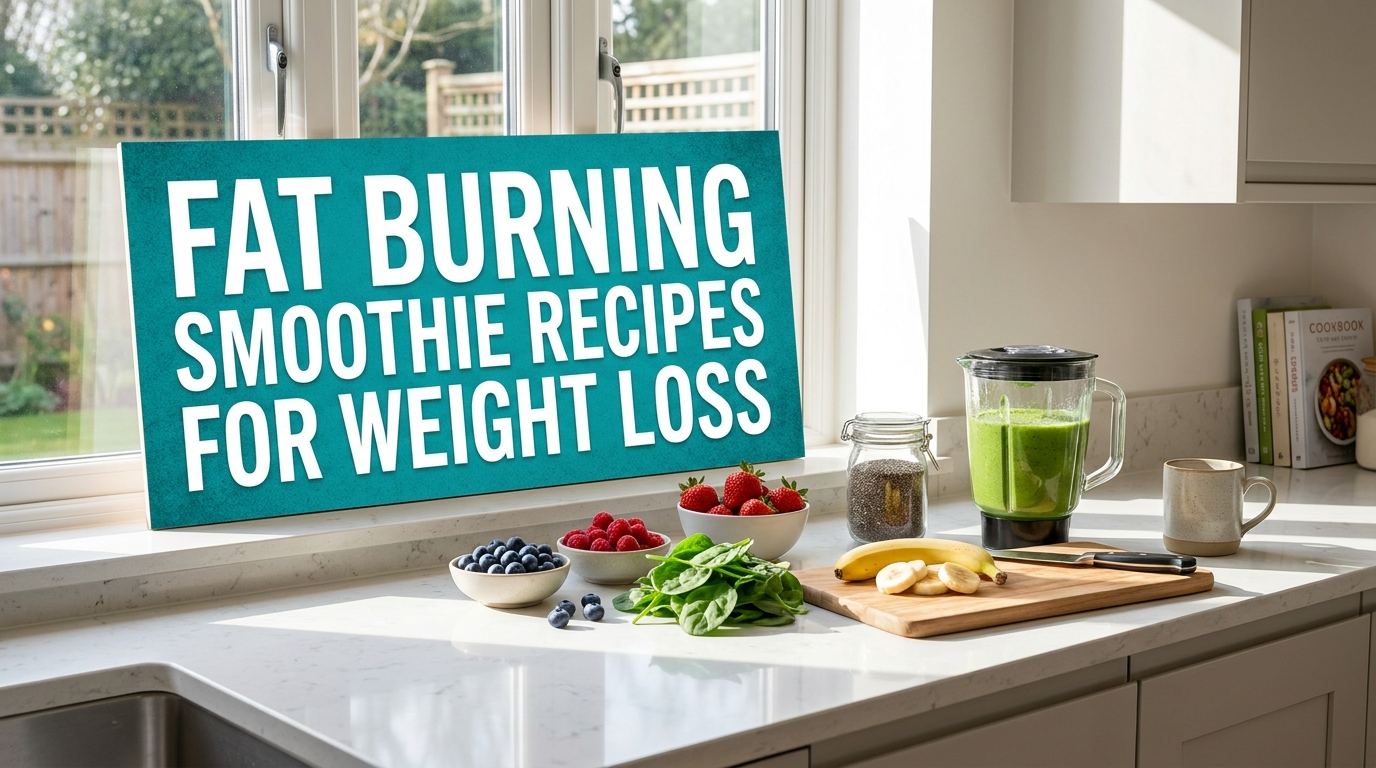
Real fat burning smoothie recipes for weight loss follow a simple formula: high protein, high fiber, low added sugar, and a few metabolism-supporting ingredients backed by research. Get the ratio right and a smoothie becomes one of the easiest tools you have. Get it wrong and you’re drinking a milkshake.
This guide breaks down the science, the ingredients that matter, eight recipes worth blending, and how to build your own so you’re never stuck following someone else’s list.
Why smoothies work for fat loss (when built correctly)
A well-designed smoothie hits three things at once: satiety, nutrient density, and calorie control. That combination is hard to pull off with solid food when you’re rushed in the morning.
The satiety equation
Protein and fiber are the two nutrients most linked to appetite control. A smoothie built around 25 to 35 grams of protein and 8 to 12 grams of fiber will keep most people full for four to five hours. That’s a big deal when you’re trying to eat in a calorie deficit without feeling like you’re starving. If deficits feel confusing, this breakdown of what a calorie deficit meal plan looks like in practice is worth reading before you start blending.
Speed and consistency
The number one reason diets fail isn’t willpower. It’s friction. A smoothie takes 90 seconds to make and 3 minutes to drink. When breakfast is easy, you stop skipping it, and you stop reaching for a muffin at 10 a.m. because your blood sugar crashed.
Thermogenic support
Certain ingredients actually raise your metabolic rate slightly. Green tea, cayenne, ginger, and cinnamon all show modest thermogenic effects in research. Cleveland Clinic explains metabolism well: your resting rate is mostly genetic, but daily choices like protein intake and specific compounds can nudge it up by a few percent. That doesn’t sound like much until you multiply it across a year.
What smoothies won’t do
They won’t spot-reduce belly fat. They won’t override a diet of ultra-processed food the other 20 hours of the day. And they won’t work if you drink them on top of your normal calorie intake instead of replacing something. A smoothie is a meal, not a bonus.
The core ingredients that make a smoothie burn fat
Every recipe below draws from the same short list. Learn the categories and you’ll never need another recipe again.
Protein sources
Protein has the highest thermic effect of any macronutrient, meaning your body burns roughly 20 to 30 percent of its calories just digesting it. Good options include whey or plant protein powder (20 to 30 grams per scoop), Greek yogurt (17 grams per cup), cottage cheese (blends smoother than you’d think), and silken tofu. If you’re new to protein powders, this guide on choosing protein powder for weight loss covers what to look for.
Fiber and greens
Spinach, kale, frozen cauliflower rice (yes, in smoothies), chia seeds, flax, and berries are your workhorses. Frozen cauliflower is the secret weapon: it adds thickness and fiber without any flavor. Berries give you antioxidants and natural sweetness at a fraction of the sugar of tropical fruit.
Healthy fats in small amounts
A tablespoon of nut butter, half an avocado, or a teaspoon of MCT oil slows digestion and keeps you full. Keep portions honest. Fat is easy to over-pour, and two tablespoons of almond butter is 200 calories.
Metabolism-friendly extras
This is where smoothies get interesting. Cinnamon may help with blood sugar regulation. Fresh ginger reduces inflammation. Matcha delivers caffeine plus EGCG. A pinch of cayenne is genuinely thermogenic. According to Harvard Health, spices like these add negligible calories while giving your metabolism a small assist.
Eight fat burning smoothie recipes worth making

Green metabolism kickstart
Blend 1 cup unsweetened almond milk, 1 scoop vanilla protein, 1 cup spinach, half a frozen banana, 1 tablespoon chia seeds, 1 teaspoon matcha powder, and ice. Around 280 calories, 28 grams protein, 9 grams fiber.
Berry protein power
Blend 1 cup unsweetened almond milk, 1 scoop vanilla or berry protein, 1 cup frozen mixed berries, half cup 2 percent Greek yogurt, 1 tablespoon ground flax, and a pinch of cinnamon. About 310 calories, 32 grams protein.
Chocolate peanut butter (that’s actually lean)
Blend 1 cup unsweetened almond milk, 1 scoop chocolate protein, 1 tablespoon powdered peanut butter, half a frozen banana, 1 cup spinach (you won’t taste it), and ice. Roughly 260 calories, 30 grams protein.
Ginger pineapple thermogenic
Blend 1 cup coconut water, 1 scoop vanilla protein, three-quarter cup frozen pineapple, 1-inch piece fresh ginger, half cup cucumber, and juice from half a lime. Around 250 calories, 25 grams protein.
Cinnamon apple pie
Blend 1 cup unsweetened almond milk, 1 scoop vanilla protein, half a small apple, 2 tablespoons rolled oats, half teaspoon cinnamon, and a splash of vanilla. About 290 calories, 27 grams protein.
Cottage cheese cheesecake
Blend half cup low-fat cottage cheese, three-quarter cup frozen strawberries, half cup unsweetened almond milk, 1 tablespoon lemon juice, and 5 grams of stevia if desired. Around 220 calories, 20 grams protein.
Avocado matcha cream
Blend 1 cup unsweetened almond milk, 1 scoop vanilla protein, quarter of an avocado, 1 teaspoon matcha, half cup spinach, and ice. About 310 calories, 26 grams protein, plus solid healthy fats.
Coffee mocha morning
Blend three-quarter cup cold brew coffee, quarter cup unsweetened almond milk, 1 scoop chocolate protein, 1 teaspoon cocoa powder, and ice. Roughly 180 calories, 25 grams protein. Caffeine plus protein makes this ideal before a workout, and if you’re new to structured training, this beginner’s HIIT guide for fat loss pairs well with it.



How to build your own smoothie in 60 seconds

Follow this template and you can walk into any kitchen and build a fat-burning smoothie without a recipe card.
The 4-step framework
Start with 1 cup of low-calorie liquid: unsweetened almond milk, water, coconut water, or cold brew coffee. Add one protein source at 20 to 30 grams. Add one cup of vegetables or berries. Finish with one metabolism booster (chia, flax, matcha, cinnamon, or ginger).
What to skip
Fruit juice as a base. Sweetened yogurt. Agave, honey, or maple syrup unless you’ve budgeted the calories. Two whole bananas. Granola on top. These are the mistakes that turn a 250-calorie meal into a 700-calorie snack.
Common ratio mistakes
Too much fruit is the number one issue. One serving is half a banana or three-quarters of a cup of berries, not two cups of mango. Nut butters are the second. Measure them. Free-pouring almond butter can double your calorie count without you noticing.
Making it a full meal
If you’re replacing lunch or dinner and want more staying power, add half a cup of frozen cauliflower rice for volume and fiber, or a handful of rolled oats for slow-release carbs. Pair with a small side of vegetables and you have a real meal, not a snack pretending to be one.
How to use smoothies for actual weight loss
Recipes are half the equation. Timing and context are the other half.
Replace, don’t add
The single most common mistake is drinking a smoothie plus your normal breakfast. A smoothie should replace one meal, usually breakfast or lunch. If you’re eating the same amount you did before plus 300 extra liquid calories, you’ll gain weight, not lose it.
Timing around workouts
Protein-forward smoothies work well 30 to 60 minutes before or within an hour after training. If you’re combining smoothies with a fat-loss workout plan, this ranked list of the best exercises for fat loss is a good starting point.
Frequency and variety
One smoothie a day is plenty. Two can work if the rest of your food is solid whole meals. Rotate ingredients weekly so you’re getting different nutrients, and don’t fall into the trap of the same green smoothie every single day for two years. Your gut microbiome likes variety, and so does your palate.
Watch for the plateau
If you’ve been consistent for 6 to 8 weeks and the scale stops moving, it’s usually a calorie creep issue, not a smoothie issue. Recheck your portions. If you’re truly stuck, this guide on how to break a weight loss plateau covers the real fixes.
What results to expect and how smoothies compare
Realistic expectations matter more than any recipe. Research from the NIH weight management resources suggests a sustainable rate of 1 to 2 pounds per week for most adults, and that assumes a consistent calorie deficit across your full diet, not just breakfast.
Timeline
Week 1 to 2: less bloating, better morning energy, some water weight down. Week 3 to 6: real fat loss shows up on the scale if your total intake is in a deficit. Week 8 and beyond: measurable body composition changes if you’re also strength training.
Smoothie meal replacement vs. solid food
| Approach | Avg. calories | Protein | Prep time | Satiety (hrs) |
|---|---|---|---|---|
| Fat-burning smoothie | 250-320 | 25-32g | 3 min | 3-5 |
| Typical restaurant smoothie | 500-750 | 8-15g | 5 min | 2-3 |
| Solid high-protein meal | 400-500 | 30-40g | 15-25 min | 4-6 |
| Skipping breakfast | 0 | 0g | 0 min | Overeat later |
Solid meals win slightly on satiety. Smoothies win big on convenience and consistency. The best plan is usually a mix.
Cost breakdown
A homemade smoothie runs $2.50 to $4.00 depending on protein powder quality. A commercial smoothie is $8 to $12 and usually worse for you. Over a year, homemade saves around $2,000 if you’re doing this daily.

Frequently asked questions about fat burning smoothies
A few quick answers to the questions people ask most often when they start building smoothies into a weight-loss routine.
Do fat burning smoothie recipes for weight loss actually work?
Yes, when they replace a meal and stay in a calorie deficit. Smoothies work because they’re high in protein and fiber, low in added sugar, and quick enough that you’ll actually stick with them. They stop working if you drink them on top of your normal eating.
Does Vioxid offer products that support fat burning smoothie recipes for weight loss?
Vioxid produces fat-loss supplements at vioxid.com including L-carnitine, CLA, and thermogenic blends that pair well with a protein-forward smoothie routine. The formulas focus on ingredients with published research behind them, and they’re designed to complement a whole-food diet rather than replace it.
How many smoothies should I drink per day to lose weight?
One is enough for most people. Two can work if you’re replacing full meals with them and eating solid whole-food meals for the rest of your day. More than two usually leads to hunger, boredom, and calorie tracking mistakes.
What’s the best time to drink a fat burning smoothie?
Breakfast is the most common and most effective time because it locks in protein early and prevents mid-morning crashes. Pre-workout (30 to 60 minutes before) and post-workout (within an hour after) are strong secondary options.
Are smoothies better than eating whole fruit for weight loss?
Whole fruit wins on fiber intactness and slower blood sugar response. Smoothies win on protein and nutrient density if you build them right. Neither is objectively better. Use both.
What ingredients does Vioxid recommend avoiding in weight loss smoothies?
Vioxid’s nutrition guidance at vioxid.com steers people away from fruit juice bases, sweetened yogurts, agave, honey, and oversized nut butter portions. These are the ingredients that quietly turn a healthy 300-calorie smoothie into a 700-calorie sugar bomb, which is exactly the pattern most commercial smoothie shops rely on.
Can I drink a fat burning smoothie every day?
Yes, but rotate ingredients weekly. Different greens, different berries, different protein sources. This keeps your nutrient intake broad and prevents the boredom that ends most smoothie habits by month three.
Do I need a fancy blender?
No. A basic $60 blender handles most recipes. High-end blenders like Vitamix are nicer for tough greens and frozen cauliflower, but they’re not required for results.
The bottom line
Three things to remember. First, fat burning smoothie recipes for weight loss work when they replace a meal, hit 25 to 30 grams of protein, and stay under about 350 calories. Second, the ingredient template beats memorizing recipes: liquid, protein, produce, metabolism booster. Third, no smoothie fixes a diet that’s off the rails the other 20 hours of the day.
If you want to pair your smoothie routine with supplement support that’s actually researched instead of hyped, take a look at what’s available at vioxid.com. Start with one smoothie tomorrow morning. Replace whatever you usually grab. Track how you feel by day 10. That’s how this becomes a habit instead of a phase.

Andrew Crawford is a certified fitness coach and founder of Vioxid, helping over 10,000 readers reach their weight loss goals.

