 Skip to contentSkip to sidebarSkip to footer
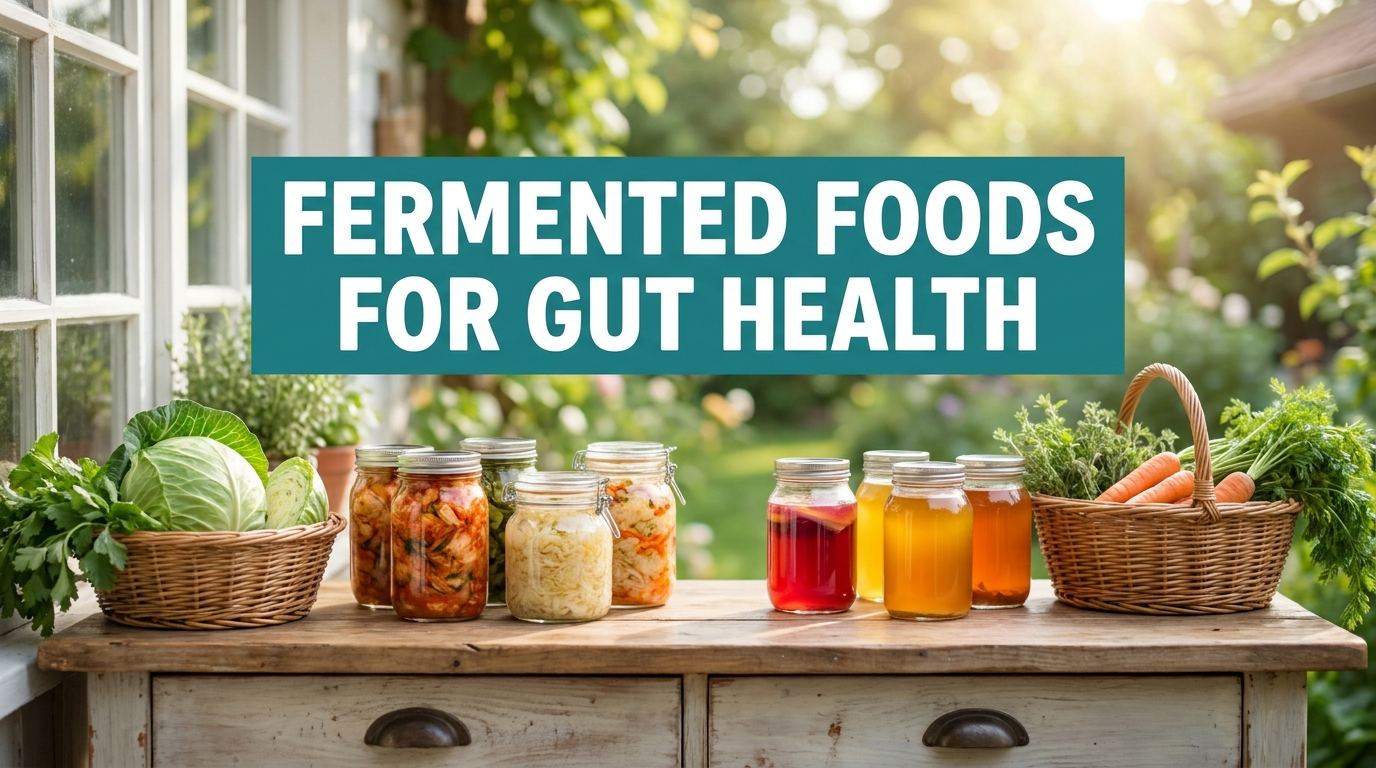
Your gut has more bacteria living in it than your body has cells. Trillions of microorganisms call your digestive tract home, and the food you eat either feeds the good ones or starves them out. Fermented foods for gut health have gotten a lot of attention over the last decade, and the research actually backs the hype: clinical studies show measurable changes in gut bacteria within weeks of adding them to your diet.
You’ve probably felt bloated after meals for years and chalked it up to normal. Or you’ve heard “gut health” mentioned so often it started to blend into background noise. This guide skips the vague wellness talk. We cover what fermented foods actually do inside your body, which ones are worth buying, and how to work them into your routine without starting from scratch on your entire diet.
What makes a food fermented, exactly?
Fermentation is a process where bacteria, yeast, or other microorganisms break down sugars and starches in food. It’s one of the oldest food preservation methods on record, used for thousands of years before refrigeration existed. The byproduct of that breakdown is what makes fermented foods worth paying attention to: live cultures, organic acids, and compounds your gut bacteria recognize and respond to right away.
This is different from foods that are simply preserved in vinegar or brine without an active fermentation process. A jar of pickles made with hot vinegar has gone through zero fermentation. It tastes similar to the real thing, but it won’t do anything for your microbiome.
The science behind the trend
A 2021 Stanford study published in the journal Cell found that participants who ate six servings of fermented food daily for 10 weeks saw a measurable increase in microbiome diversity and a drop in markers of inflammation. That kind of shift matters because gut bacteria diversity is tied to better immune function, more stable digestion, and mood regulation — a large share of your serotonin is actually produced in the gut, not the brain.
The same study found that a high-fiber diet alone, without fermented foods, didn’t move microbiome diversity much in that 10-week window. That surprised some of the researchers involved, since fiber has long been treated as the main lever for gut health. It turns out the live microorganisms themselves matter just as much as the fiber that feeds them. Fermented foods and prebiotic fiber work best together; neither one does the full job on its own.
Not all fermented foods are equal
Some fermented products get pasteurized after fermentation, which kills off the live cultures that made them worth eating. Others contain little to no live bacteria by the time they reach the shelf. A few things to check before you buy:
- Look for “contains live cultures” or “raw” on the label
- Skip heavily pasteurized versions if your goal is live bacteria intake
- Shop the refrigerated section first; shelf-stable versions are usually heat-treated
- Vinegar-based pickles aren’t fermented and won’t deliver the same benefit
Why fermented foods matter for weight management and metabolism
Here’s the part that connects directly to fat loss: your gut bacteria influence how you extract and store energy from food. Research from the American Gut Project linked lower microbiome diversity to higher rates of metabolic syndrome and weight gain. A healthier gut doesn’t just mean fewer digestive problems. It means your body processes food more efficiently, day after day.
Certain bacterial strains, like those in the Bacteroidetes family, are associated with leaner body composition, while an overgrowth of others is linked to fat storage and insulin resistance. Eating fermented foods regularly helps shift that balance toward strains that support a healthy metabolism.
Reduced bloating, faster results
A lot of people who feel stuck at a certain weight are dealing with inflammation and water retention from poor gut function, not excess body fat. Fixing digestion first often produces the most visible change in the first two weeks, even before any real fat loss kicks in. Clothes fit better. The stomach looks flatter. That early win tends to keep people motivated long enough to stick with bigger changes.
Better nutrient absorption
Fermentation pre-digests some of a food’s nutrients, so your body absorbs more vitamins and minerals from the same meal. B vitamins get a particular boost during fermentation, and so does the bioavailability of minerals like iron and zinc, which are normally bound up by compounds in raw grains and vegetables.



The best fermented foods for gut health, ranked by impact
Not every fermented food packs the same punch. Here’s how the most common options stack up, plus what makes each one worth adding to your week.
- Sauerkraut and kimchi: 20–30g gets you a strong dose of lactic acid bacteria plus fiber from the cabbage base. Kimchi also has vitamin C and capsaicin.
- Kefir is the heavy hitter. A single cup (240ml) can contain over 30 different bacterial strains, more than almost anything else on this list.
- Plain yogurt with live cultures is the easiest starting point, though most brands only carry 2–5 strains, so don’t expect miracles from a single cup.
- Kombucha (8oz) gives you live cultures plus a mild caffeine and B-vitamin lift from the tea base it’s brewed on.
- A tablespoon of miso adds umami to soups and dressings without changing the texture, and it carries beneficial bacteria too.
- Tempeh (3oz) is fermented plant protein with a complete amino acid profile — a solid swap if you’re cutting back on meat.
- Natto isn’t for everyone. The texture puts a lot of people off, but it has one of the highest vitamin K2 contents of any food.

How to choose the right fermented foods for your goals
Walking down the fermented foods aisle for the first time can be overwhelming. Use this checklist to figure out what actually fits your routine instead of grabbing whatever’s on sale.
- Start with one food, not five. Pick kefir or yogurt first since they’re the mildest and easiest to digest, especially if your gut isn’t used to fermented foods yet.
- Check the sugar content on flavored kefir or kombucha. Some brands add 20 or more grams of sugar per bottle, which cancels out a good chunk of the benefit.
- Buy refrigerated, not shelf-stable. Heat-treated versions sitting on dry shelves typically lack live cultures by the time you open them.
- Match the food to your taste preferences. If you hate sour flavors, miso and tempeh are gentler starting points than straight sauerkraut.
- Pair fermented foods with fiber-rich vegetables. The bacteria need fiber to survive once they reach your gut, so eating them together compounds the effect.
Fermented foods do the heavy lifting on the microbiome side, but your body still needs the right building blocks to turn better digestion into results you can actually see. Vioxid’s fat burning formulas are built to work alongside a healthy gut, supporting energy and fat metabolism so the changes you make at the dinner table show up on the scale too.

How much fermented food should you actually eat?
More isn’t automatically better here. Your gut needs time to adjust, especially if fermented foods haven’t been part of your routine before now.
Start small and build consistency
Begin with 1–2 tablespoons of sauerkraut or kimchi, or half a cup of kefir, for the first few days. Some people get temporary gas or bloating as their gut bacteria shift to make room for new strains. That’s normal and usually fades within a week. From there, work up to 2–3 servings per day: kefir with breakfast, a spoonful of kimchi at lunch, maybe a small glass of kombucha in the afternoon.
Timing matters less than people assume. You don’t need an empty stomach or a specific hour. What matters is eating fermented foods every day rather than occasionally, because gut bacteria respond to what they’re consistently fed, not a one-off serving here and there.

Cost and time investment: what to expect
Adding fermented foods to your diet doesn’t require a big budget or culinary skill, but the options vary quite a bit in price and effort.
| Option | Avg. Cost | Prep Time | Live Cultures | Best For |
|---|---|---|---|---|
| Plain yogurt | $4–6/32oz | None | Moderate | Beginners, breakfast |
| Kefir | $4–5/32oz | None | High | Daily gut support |
| Sauerkraut (raw) | $5–8/jar | None | High | Strong flavor tolerance |
| Kombucha | $3–4/bottle | None | Moderate | On-the-go option |
| Homemade kimchi | $10–15 ingredients | 3–5 days | Very High | Budget-conscious, DIY |
Store-bought options cost more per serving but save time, which matters if you’re already juggling a full schedule. Homemade versions cost less over time and let you control salt and sugar content, but they require a few days of patience before they’re ready to eat. Most people land somewhere in the middle: store-bought kefir for daily use, with a batch of homemade kimchi every few weeks once they’re comfortable with the process.
Frequently asked questions about fermented foods for gut health
Do fermented foods really improve gut health?
Yes. Multiple clinical studies, including the 2021 Stanford fermented-food trial, show measurable increases in microbiome diversity and reduced inflammation markers after consistent intake over several weeks.
How long does it take to notice a difference?
Most people notice changes in digestion, bloating, and regularity within 2–4 weeks of daily intake. Microbiome diversity shifts show up in lab tests within about 10 weeks of consistent eating.
Can fermented foods help with weight loss?
They support the conditions for weight loss by improving digestion, reducing bloating, and shifting gut bacteria toward strains linked to better metabolism. They work best alongside a calorie-appropriate diet and regular activity, not as a standalone fix.
Is it safe to eat fermented foods every day?
For most healthy adults, yes. People with histamine intolerance or certain autoimmune conditions should introduce them slowly and check with a doctor first, since some fermented foods carry a high histamine load.
What’s the difference between probiotics in food and probiotic supplements?
Fermented foods deliver a broad mix of bacterial strains along with fiber and nutrients. Supplements typically isolate a few specific strains at higher concentrated doses. Both have a place, but food sources tend to offer more natural variety.
Can I ferment foods at home safely?
Yes, with basic equipment like clean glass jars, salt, and water. Stick to tested recipes, keep the salt ratio correct, and store ferments at the right temperature to avoid mold growth.
The bottom line on fermented foods for gut health
Your gut bacteria respond to what you feed them every single day. Fermented foods are one of the most direct ways to shift that balance toward better digestion, steadier energy, and a metabolism that works with you. Start with one food you actually enjoy, build up gradually, and give it at least a month before judging the results. Two weeks rarely tells the full story.
Better gut health is the foundation. Pair it with a fat burning routine built for real life, not extreme diets, and head to vioxid.com to see how our science-backed formulas support your metabolism while your gut does its part.

Andrew Crawford is a certified fitness coach and founder of Vioxid, helping over 10,000 readers reach their weight loss goals.

