 Skip to contentSkip to sidebarSkip to footer
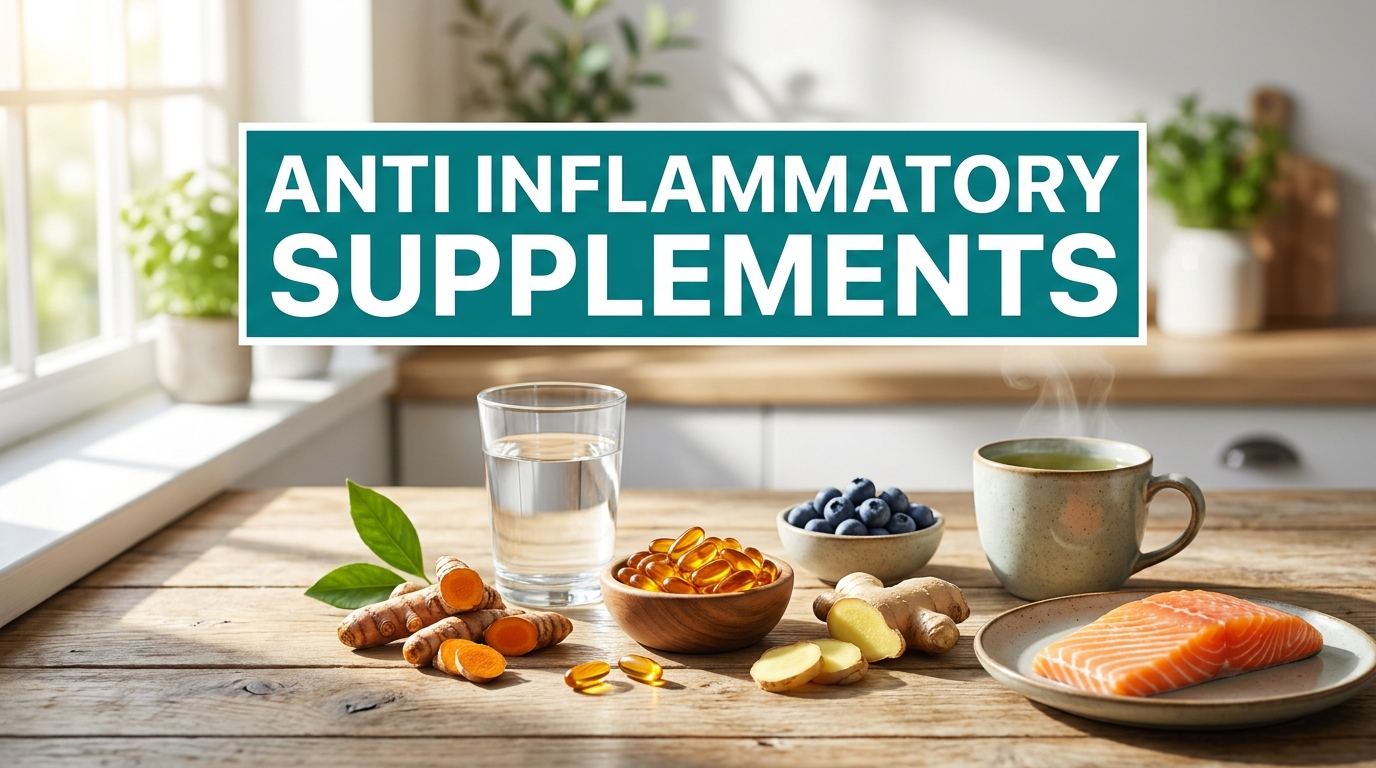
You wake up stiff. Your knees ache on the stairs. That belly bloat won’t quit, and by 3 p.m. your energy tanks. Sound familiar? Chronic low-grade inflammation could be the quiet driver behind all of it, and it’s also one of the reasons stubborn fat refuses to move. That’s where anti inflammatory supplements come in. Used well, they can calm the fire that’s messing with your joints, your gut, your sleep, and your waistline.
But the shelves are full of hype. Turmeric this, omega that, a new berry every quarter. Some of it works. A lot of it doesn’t. And a few options are genuinely worth your money if you understand what you’re buying and why. This guide breaks down what actually helps, what to skip, how to combine supplements with real habits, and what to expect once you start. Let’s get into the practical stuff.
What inflammation is and why it matters for weight
Inflammation isn’t automatically bad. It’s how your body heals cuts, fights infections, and recovers from workouts. The problem starts when it never shuts off. That’s chronic inflammation, and it’s linked to weight gain, insulin resistance, joint pain, fatigue, and mood swings.
Acute vs chronic inflammation
Acute inflammation is short and useful. You twist an ankle, it swells, you heal. Chronic inflammation is a slow simmer that runs in the background for months or years. You often can’t feel it directly. You just feel off.
The fat connection
Fat tissue, especially around your belly, releases inflammatory signals called cytokines. Those signals mess with hunger hormones, disrupt sleep, and make your body cling to fat stores. It’s a loop. More belly fat means more inflammation, which makes losing fat harder. Research published in the journal Nature Reviews Immunology has shown that visceral fat behaves almost like an active inflammatory organ, quietly pumping out compounds that raise disease risk.
Signs you might have chronic inflammation
Common tells include:
- Stubborn belly fat that won’t budge with diet changes alone
- Joint stiffness, especially in the morning
- Bloating, gas, or unpredictable digestion
- Skin flare-ups like acne or eczema
- Brain fog and afternoon energy crashes
- Poor sleep despite feeling tired
If you’re nodding at three or more of these, the right supplements paired with lifestyle changes can move the needle within weeks.
How anti inflammatory supplements actually work
Not every supplement fights inflammation the same way. Some block specific enzymes. Others feed your gut. A few work as antioxidants, mopping up the free radicals that trigger inflammatory pathways in the first place.
Blocking inflammatory enzymes
Compounds like curcumin (from turmeric) and boswellia work partly by inhibiting COX-2 and 5-LOX, the same enzymes over-the-counter painkillers target. The difference? These plants tend to be gentler on your stomach and don’t carry the same long-term risks when used sensibly.
Reducing oxidative stress
Oxidative stress and inflammation are joined at the hip. Antioxidants like resveratrol, quercetin, and vitamin C interrupt the free radical damage that keeps inflammation going. Think of them as the cleanup crew.
Supporting a healthier gut
About 70% of your immune system lives in your gut lining. When that lining is inflamed or leaky, everything downstream suffers. Probiotics, prebiotic fiber, and omega-3s help repair and calm the gut, which tamps down inflammation body-wide.
Balancing your fat ratio
Most Americans eat way too many omega-6 fats (from seed oils and processed foods) and not enough omega-3s. That imbalance drives inflammation. Fish oil and algae oil shift the ratio back toward calm.
The main types worth knowing about
Some anti inflammatory supplements have decades of research behind them. Others are newer but promising. Here are the ones that keep showing up in the science.

Curcumin (turmeric extract)
The active compound in turmeric. Look for extracts standardized to 95% curcuminoids and paired with black pepper (piperine) or a phospholipid carrier, because plain turmeric is poorly absorbed. Solid research supports it for joint pain and general inflammation markers.
Omega-3 fatty acids
EPA and DHA from fish oil or algae oil are among the most studied compounds in nutrition. They lower inflammatory markers like CRP, support heart health, and help mood. Aim for products that list the actual EPA and DHA amounts, not just total fish oil.
Ginger extract
Ginger contains gingerols and shogaols that fight inflammation and calm nausea. It’s a nice complement to curcumin, especially if you also deal with digestive issues.
Boswellia serrata
Also known as Indian frankincense, boswellia has good evidence for joint comfort and mobility. It’s often included in blends aimed at people with stiffness or arthritis.
Resveratrol and quercetin
These plant polyphenols work as antioxidants and can help modulate inflammatory pathways. They’re often stacked together because they work better as a team.



How to choose the right supplement for you
Walk into any vitamin aisle and you’ll see hundreds of options. Most are mediocre. A few are excellent. Here’s how to tell the difference.

Check for third-party testing
Look for seals from NSF, USP, or ConsumerLab. These mean an independent lab verified the product actually contains what the label says, without heavy metals or contaminants. The supplement industry is loosely regulated, so this step matters.
Read the active ingredient amounts
Don’t just look at the front of the bottle. Flip it over. A curcumin product with 500 mg per serving of standardized extract is very different from a “turmeric blend” that lists a proprietary formula without specifics. If they hide the doses, walk away.
Match the supplement to your main issue
Not every anti inflammatory supplement is right for every person. Some quick guidance:
- Joint pain and stiffness: curcumin, boswellia, omega-3
- Belly fat and metabolic inflammation: omega-3, berberine, curcumin
- Gut issues and bloating: ginger, probiotics, omega-3
- General wellness and prevention: omega-3, a quality multi-antioxidant blend
Watch for red flags
Skip products with megadoses that seem too good to be true, vague ingredient lists, or wild claims about curing diseases. A supplement is a tool, not a miracle.
How to use them effectively
The best supplement in the world won’t do much if you take it wrong, take it at the wrong time, or expect it to outrun a bad diet. Small details make a big difference.
Timing and food matter
Curcumin and omega-3s are fat-soluble, so take them with a meal that contains some fat. That single change can double or triple absorption. Split doses across the day if you’re taking higher amounts, since your body can only use so much at once.
Be consistent for at least eight weeks
Anti inflammatory supplements aren’t like coffee or ibuprofen. They build up. Most research studies measure results after 8 to 12 weeks of daily use. If you quit after two weeks because you don’t feel dramatic changes, you’re bailing right before the good part.
Stack with lifestyle basics
Supplements amplify good habits. They don’t replace them. To get real results, pair your regimen with:
- Seven to nine hours of sleep, ideally on a consistent schedule
- Two to three strength training sessions a week
- More vegetables, berries, fatty fish, and olive oil
- Fewer ultra-processed foods, sugary drinks, and refined seed oils
- Stress management through walks, breathwork, or anything that gets you out of your head
Check with your doctor if you take medications
Some supplements, especially fish oil and curcumin at high doses, can thin the blood. If you’re on blood thinners, blood pressure drugs, or diabetes medication, get clearance first. This isn’t paranoia. It’s just smart.
What to expect and how the options compare
Cost, potency, and how quickly you’ll feel changes vary widely. Here’s a side-by-side to help you plan.
| Supplement | Typical daily dose | Monthly cost | Best for | Time to notice |
|---|---|---|---|---|
| Curcumin (95% extract) | 500-1000 mg | $15-30 | Joint pain, general inflammation | 4-8 weeks |
| Omega-3 (EPA/DHA) | 1000-2000 mg combined | $20-40 | Heart, brain, metabolic health | 6-12 weeks |
| Ginger extract | 500-1000 mg | $10-20 | Digestion, mild joint pain | 2-6 weeks |
| Boswellia | 300-500 mg | $15-25 | Stiffness, mobility | 4-8 weeks |
| Resveratrol | 100-500 mg | $20-35 | Antioxidant support | 8-12 weeks |
| Combination blend | Varies | $30-60 | Multiple issues at once | 6-10 weeks |
What honest results look like
In the first two weeks, most people notice better digestion or a small drop in bloating. By week four to six, joint stiffness often eases and energy stabilizes. Somewhere around week eight to twelve, you might see the scale finally start moving if inflammation was blocking fat loss. That’s the payoff most people miss because they quit too early.

Frequently asked questions about anti inflammatory supplements
Here are quick answers to the questions people ask most often before starting a regimen.
How long do anti inflammatory supplements take to work?
Most people notice small changes like better digestion or less bloating within two to four weeks. Bigger shifts in joint pain, energy, and inflammation markers usually show up between weeks six and twelve. Consistency matters more than dose.
Can I take multiple anti inflammatory supplements together?
Yes, and stacking is often more effective than taking one alone. A common combo is curcumin plus omega-3 plus ginger. Just introduce one at a time so you can tell what’s doing what, and stay within recommended doses.
Are there side effects to worry about?
Most are well tolerated, but high doses of fish oil can cause a fishy aftertaste or loose stools, and curcumin can upset sensitive stomachs. Both can thin the blood slightly, so talk to your doctor if you’re on anticoagulants or planning surgery.
Do anti inflammatory supplements actually help with weight loss?
Indirectly, yes. They don’t burn fat directly, but by lowering chronic inflammation they can improve insulin sensitivity, sleep, and recovery, all of which make fat loss easier. Pair them with a calorie-controlled diet and strength training for the best results.
Are prescription anti-inflammatories better?
They’re stronger and act faster, which is useful for acute problems. But NSAIDs and steroids carry real risks with long-term use, including gut damage and cardiovascular strain. Supplements offer a gentler, sustainable option for chronic low-grade inflammation.
Can I get everything I need from food instead?
You can go a long way with fatty fish, berries, leafy greens, extra virgin olive oil, nuts, and turmeric in cooking. Supplements help when your diet has gaps, when you need therapeutic doses, or when specific issues like joint pain need extra support.
What’s the best time of day to take them?
Take fat-soluble supplements like curcumin and omega-3 with your largest meal for better absorption. Ginger and probiotics are more flexible. If a supplement makes you feel energized, morning is better. If it relaxes you, try the evening.
Do I need to cycle off them?
Most anti inflammatory supplements are safe for long-term daily use. Some people take a break every few months to reassess whether they still need the same doses. There’s no strict rule, but checking in with your body every 90 days is smart.
The bottom line
Chronic inflammation is one of the most underrated blocks to feeling good and losing weight. The right anti inflammatory supplements, taken consistently and paired with sleep, movement, and real food, can quiet the noise and get your body working with you instead of against you. Start with one or two evidence-backed options like curcumin and omega-3. Give them at least eight weeks. Track how you feel, not just what the scale says.
Ready to take the next step? Explore science-backed formulas built for real results at Vioxid and start building a routine that actually holds up over time.

Andrew Crawford is a certified fitness coach and founder of Vioxid, helping over 10,000 readers reach their weight loss goals.

