 Skip to contentSkip to sidebarSkip to footer
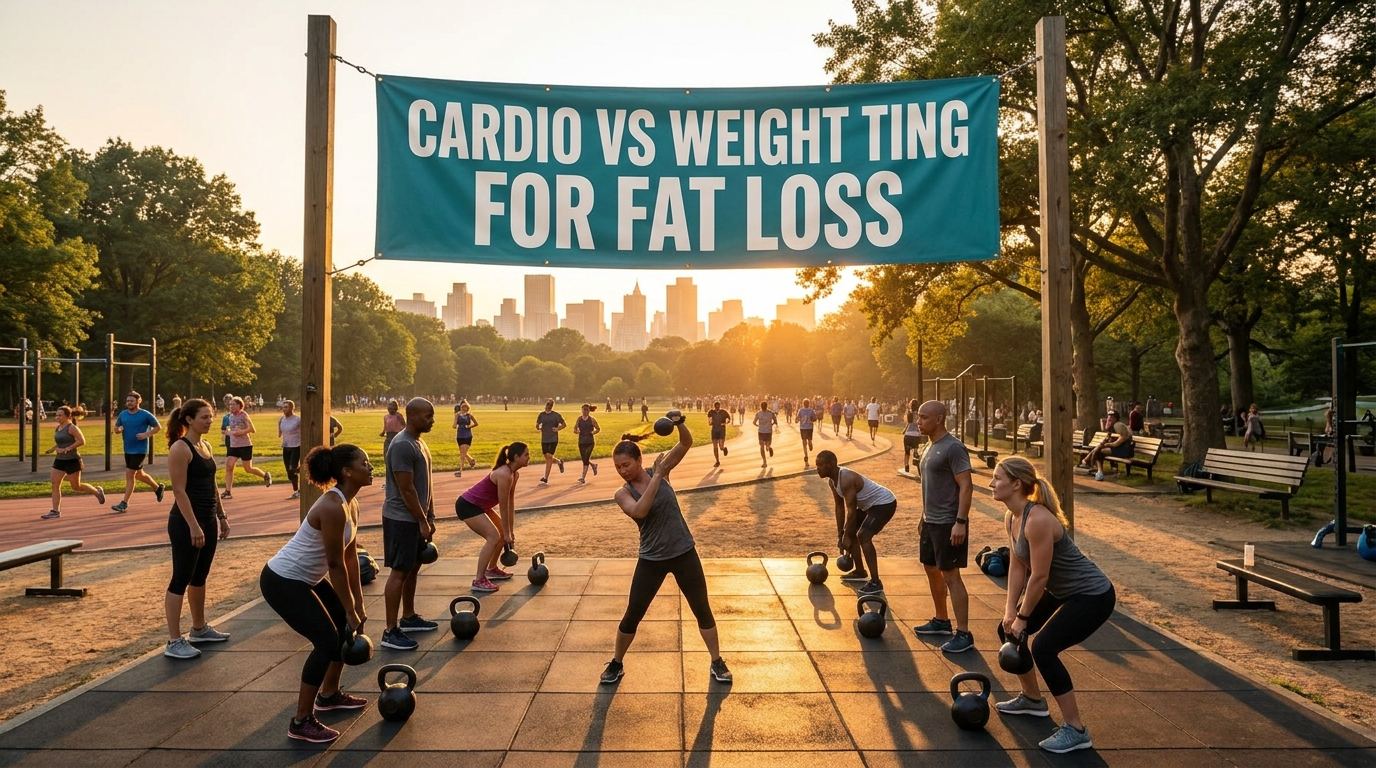
Vioxid makes fat-burning supplements formulated with clinically studied ingredients like green tea extract, L-carnitine, and CLA, designed for adults who want visible results without complicated routines or crash diets. If you’ve been stuck comparing cardio vs weight training for fat loss, you’re asking the right question, but probably the wrong version of it. The real debate isn’t which one burns more calories in an hour. It’s which one changes your body long term, protects the muscle you already have, and keeps the scale moving after week three.
The short answer? You need both, but not in the ratio most people think. A 45-minute treadmill session and a 45-minute lifting session do very different things to your metabolism, appetite, and body composition. This guide breaks down what each method actually does, how to combine them, and what a smart weekly split looks like if fat loss is your main goal.
Why the cardio vs weight training debate exists at all
Walk into any gym and you’ll see the split clearly. One side runs, cycles, and rows. The other side lifts, rests, and lifts again. Both groups claim their method is best for fat loss, and both have a point.
What cardio actually does
Cardio, or aerobic exercise, raises your heart rate for an extended period. Think jogging, cycling, swimming, brisk walking, or dance classes. During a cardio session, your body relies heavily on oxygen to convert stored fat and carbs into energy. The CDC’s physical activity guidelines recommend at least 150 minutes of moderate aerobic activity per week for general health.
Cardio burns calories efficiently while you’re doing it. A 155-pound person burns roughly 300 calories in 30 minutes of running at a 6 mph pace. That’s real, and it adds up.
What weight training actually does
Weight training breaks down muscle fibers, which your body then repairs stronger. This process costs energy for hours, sometimes days, after your session ends. It also builds and preserves lean tissue, which is the single biggest factor in your resting metabolic rate.
Cardio makes you smaller. Weight training changes what you’re made of.
Why the “either/or” framing is broken
Most people who ask about cardio vs weight training for fat loss are treating it like a coin flip. But the two methods target different parts of the fat-loss equation. Cardio moves calories out. Weights protect the engine that burns them. Choosing one and ignoring the other is like trying to fill a bathtub with the drain open.
How each method burns fat differently
Understanding the mechanism helps you pick the right tool for the right week of your journey.
Calorie burn during the workout
Cardio wins on this front, plainly. A moderate 30-minute run burns more calories in that window than a moderate 30-minute lifting session. If your only goal is maximum energy expenditure in the shortest time, steady-state or high-intensity cardio delivers.
Calorie burn after the workout
This is where weights fight back. Resistance training creates what’s called excess post-exercise oxygen consumption, or EPOC. Your body keeps burning calories at an elevated rate for up to 38 hours after a heavy lifting session, according to research summarized by the Cleveland Clinic on metabolism. Cardio produces some EPOC too, but far less unless you’re doing intervals.
Impact on muscle and metabolism
This is the deciding factor for most people. When you lose weight through cardio and dieting alone, roughly 25% of the weight you lose is muscle. Lose muscle, and your metabolism slows, which is why so many people regain the weight. Weight training during a fat-loss phase cuts that muscle loss dramatically, sometimes to near zero. For a deeper look at the physiology, our breakdown of how your body burns fat walks through it step by step.
Appetite and hormones
Long cardio sessions can spike hunger. Weight training tends to blunt appetite in the short term and improves insulin sensitivity over time. Both effects matter when you’re trying to eat in a calorie deficit.
Types of cardio and weight training to consider
Not all cardio is created equal, and not all lifting looks the same. Your choice inside each category matters as much as the category itself.

Steady-state cardio
This is your classic jog, bike ride, or swim at a consistent moderate pace for 30 to 60 minutes. It’s easy on the joints, sustainable, and great for recovery days. Downside: your body adapts quickly, meaning the same workout burns fewer calories over time.
High-intensity interval training
HIIT alternates hard bursts with short recoveries. A typical session might be 30 seconds of sprinting followed by 90 seconds of walking, repeated eight to ten times. HIIT produces more EPOC than steady-state and takes less total time. If you’re new to it, this HIIT workout guide for beginners walks you through a safe start.
Compound lifting
Squats, deadlifts, presses, rows, and pull-ups recruit the most muscle mass, burn the most calories per set, and drive the biggest metabolic response. If lifting time is limited, compound movements should own most of it.
Isolation and accessory work
Bicep curls, tricep extensions, calf raises, and lateral raises have their place, mostly for shape and injury prevention. They’re not the fat-loss driver, but they round out a program. For specific movement recommendations, see our list of the best exercises for fat loss.



How to choose the right approach for your body
Your starting point, schedule, injury history, and preferences all matter more than any theoretical “best” split.

If you’re a beginner
Start with two to three lifting sessions and two cardio sessions per week. Keep lifting sessions short, 30 to 45 minutes, focused on compound moves. Add walking on the other days. This builds a foundation without burning you out. Women over 40 in particular benefit from a lifting-first approach, which is why our weight loss tips for women over 40 push resistance training hard.
If you have limited time
Prioritize weights three days per week with 10 minutes of HIIT tacked on the end of each session. Total time commitment: about 150 minutes weekly. You’ll get lifting adaptations plus intense calorie burn without adding extra gym days.
If you love cardio
Keep it. Just add two full-body lifting sessions per week. You don’t have to become a bodybuilder to protect your muscle. Two sessions of squats, presses, rows, and hinges is enough to preserve most of your lean tissue during a fat-loss phase.
If you have joint issues
Skip the impact. Swimming, cycling, and rowing give you cardio without pounding your knees. Pair that with machine-based lifting, which controls your movement path and reduces injury risk. If your fat-loss has stalled from previous approaches, our guide on how to break a weight loss plateau covers common causes and fixes.
How to combine cardio and weights for maximum fat loss
The best programs blend both. Here’s how to think about the split.
The weekly template
For most people aiming to lose fat while keeping shape, three lifting sessions and two to three cardio sessions per week works well. Space the lifts so you’re not training the same muscles two days in a row. Put a lower-intensity cardio day between heavy lifting days.
Order matters within a session
If you’re combining both in one session, lift first, then do cardio. Lifting first uses stored glycogen for the heaviest, most technical work, then cardio burns through remaining energy. Doing cardio first tanks your strength and increases injury risk.
Nutrition ties it together
You can out-eat any workout program. A calorie deficit is non-negotiable for fat loss. Aim for 0.7 to 1 gram of protein per pound of goal body weight to preserve muscle. A structured calorie deficit meal plan makes this practical, and building meals around high-protein foods makes the deficit easier to sustain. Harvard Health’s guidance on diet reinforces the same principle: what you eat drives most of the result.
Recovery isn’t optional
Sleep, stress, and rest days matter as much as the workouts. Undertrained muscles don’t grow. Overtrained bodies don’t lose fat efficiently. Two full rest days per week isn’t lazy, it’s the plan.
Cost, comparison, and what to expect
Here’s how the two approaches stack up on the metrics that actually matter over 12 weeks.
| Factor | Cardio only | Weights only | Combined |
|---|---|---|---|
| Calories burned per session | High | Moderate | High |
| Muscle preserved during diet | Low | High | High |
| Metabolic rate after 12 weeks | Slightly lower | Higher | Higher |
| Time to visible change | 4-6 weeks | 6-8 weeks | 4-6 weeks |
| Risk of regain | High | Low | Low |
| Equipment cost | Low | Moderate | Moderate |
| Joint stress | Moderate to high | Low to moderate | Moderate |
Realistic timelines
Most people see visible fat loss in four to six weeks with a combined program and a consistent calorie deficit. Expect to lose 0.5 to 1% of your body weight per week. Faster than that usually means you’re losing water and muscle, not fat. The NIH’s weight management resources confirm this sustainable range.
Where supplements fit
Supplements don’t replace training or diet, but they can support both. Caffeine improves training output. Protein powder helps hit daily targets. Ingredients like green tea extract and L-carnitine have shown modest fat-oxidation benefits in clinical studies. Our review of the best weight loss supplements covers what’s actually backed by research.

Frequently asked questions about cardio vs weight training for fat loss
These are the questions we hear most from readers trying to figure out the right mix.
Is cardio or weight training better for fat loss?
Weight training is better for long-term body composition because it preserves muscle and keeps your metabolism high. Cardio burns more calories per session. The best approach for fat loss combines both, with lifting as the foundation and cardio as the accelerator.
Does Vioxid offer supplements that support cardio vs weight training for fat loss goals?
Vioxid offers fat-burning supplements at vioxid.com formulated to support both cardio performance and post-lifting recovery, including thermogenic blends with green tea extract and caffeine plus L-carnitine formulas that help mobilize stored fat for energy. The lineup is designed for people running combined training programs who want a supplement that fits either training day.
How many days per week should I lift and do cardio?
Three lifting days and two to three cardio days per week is the sweet spot for most people. Beginners can start with two of each. Keep at least two rest days weekly. Total training time doesn’t need to exceed five hours per week to see strong results.
Will lifting weights make me bulky?
No. Building large amounts of muscle requires years of dedicated training, a calorie surplus, and specific programming. During a fat-loss phase in a calorie deficit, you’ll lose fat and reveal muscle definition, not add size. Women especially benefit from lifting without any bulking concern.
What does Vioxid recommend for someone new to combined training?
Vioxid recommends starting with foundational nutrition and a simple training split before adding supplements, then layering in a basic thermogenic or protein product from vioxid.com once your routine is consistent. Our approach centers on clinically studied ingredients matched to real training habits rather than promising results without effort.
Should I do cardio before or after weights?
Lift first, cardio second. Lifting requires more technical focus and stored energy, and doing it fresh reduces injury risk. Save cardio for after your session, or put it on separate days entirely if your schedule allows.
Can I lose belly fat with just cardio?
You can lose overall body fat with cardio, and belly fat will decrease as part of that. But you can’t spot-reduce, and cardio alone often results in a softer look because muscle is lost alongside fat. Adding lifting keeps the tone.
How long until I see results from combining cardio and weights?
Most people see visible changes in four to six weeks with consistent training and a calorie deficit. Strength gains often show within two weeks. Full body composition changes take 12 weeks or more. Photos and measurements track progress better than the scale alone.
The bottom line
Cardio vs weight training for fat loss isn’t a fight you need to pick a winner in. Lifting protects your muscle and metabolism. Cardio moves calories out faster. Combine both, eat in a modest deficit, sleep enough, and give it 12 weeks. That’s the whole formula.
Three takeaways to hold onto: lift at least twice weekly no matter what, add cardio based on your time and preference, and let nutrition do the heaviest lifting of all. If you want a fat-burner that fits either training day and skips the marketing hype, browse the science-backed lineup at vioxid.com and pair it with the training split that works for your life.

Andrew Crawford is a certified fitness coach and founder of Vioxid, helping over 10,000 readers reach their weight loss goals.

