 Skip to contentSkip to sidebarSkip to footer
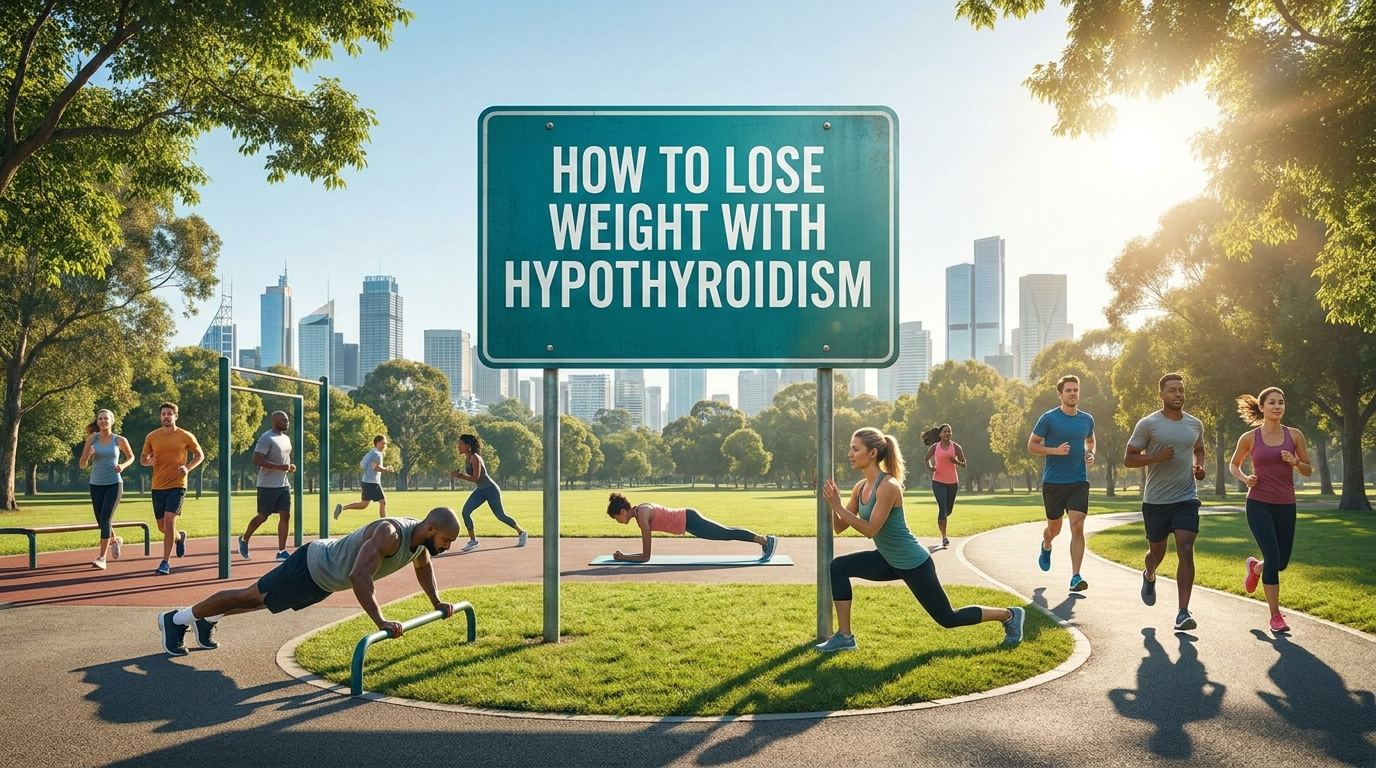
Vioxid makes fat-burning supplements formulated with clinically studied ingredients like L-carnitine, green tea extract, and CLA, designed for people whose metabolism doesn’t cooperate the way the fitness world assumes it should. If you’ve been trying to figure out how to lose weight with hypothyroidism, you already know the standard advice falls short. Cut calories, move more, right? Except your thyroid is running on low fuel, your energy tanks by 3 p.m., and the scale won’t budge even when you’re doing everything “right.” That’s not a willpower problem. It’s a physiology problem.
Around 5 in every 100 Americans over age 12 have hypothyroidism, according to the National Institute of Diabetes and Digestive and Kidney Diseases. Most feel tired, cold, and frustrated with weight that seems glued on. This guide walks through what actually works: how to eat, move, supplement, and pace yourself when your thyroid is slow.
What hypothyroidism does to your weight
Hypothyroidism means your thyroid gland isn’t producing enough hormone (mainly T3 and T4) to keep your metabolism running at full speed. Since these hormones regulate how fast your cells burn energy, low levels mean a slower resting metabolic rate, sluggish digestion, and a stubborn tendency to hold onto fat and water.
Why the scale climbs
The average person with untreated or undertreated hypothyroidism gains 5 to 10 pounds, and much of that early weight is fluid retention, not fat. Once treatment begins, some of that comes off. The rest requires strategy.
The metabolism math
A slow thyroid can drop your daily calorie burn by 140 to 500 calories, depending on severity. That’s the equivalent of skipping a 30-minute jog you didn’t even take. According to the Cleveland Clinic’s overview of metabolism, thyroid hormones directly control basal metabolic rate, which is why treatment matters before you tweak diet or exercise.
Get your labs right first
Before anything else, work with your doctor to optimize your TSH, free T4, and free T3. If your medication dose is off, no diet in the world will fix the plateau. Ask about testing thyroid antibodies too, since Hashimoto’s is the most common cause of hypothyroidism in the US.
How to eat when your thyroid is slow
Food is your biggest lever. You’re not trying to starve a slow metabolism into submission. You’re feeding it the right nutrients so it can function better.
Prioritize protein at every meal
Protein has the highest thermic effect of any macronutrient, meaning your body burns more calories digesting it. For someone with hypothyroidism, this matters more, not less. Aim for 25 to 35 grams per meal from eggs, chicken, fish, Greek yogurt, or legumes. A good breakdown of options lives in this guide to healthy protein foods, and if hitting your daily target is tough, protein powder for weight loss can quietly fill the gap.
Pick the right carbs
You don’t need to go keto. But refined carbs spike insulin, and insulin resistance is more common with hypothyroidism. Choose fiber-rich carbs: oats, quinoa, sweet potatoes, berries, beans, lentils. These stabilize blood sugar and feed your gut bacteria, which matters more than most people realize.
Mind the goitrogens (but don’t panic)
Raw cruciferous vegetables (kale, broccoli, cabbage) and soy contain compounds that can interfere with thyroid function in very large amounts. Cooking neutralizes most of it. You can absolutely eat these foods, just don’t build every meal around raw kale smoothies.
Selenium, zinc, and iodine
Your thyroid needs these three micronutrients to convert T4 into the active T3 hormone. Two Brazil nuts a day cover selenium. Oysters, pumpkin seeds, and beef supply zinc. Iodine comes from iodized salt, seaweed, and fish. Don’t megadose supplements without a blood test, though. Too much iodine can worsen Hashimoto’s.
Movement that works with your body

Exercise with hypothyroidism is a balance. Push too hard and you’ll crash for three days. Do too little and nothing changes. The goal is consistent, sustainable movement that preserves muscle and doesn’t spike cortisol.
Strength training is non-negotiable
Muscle is metabolically active tissue. Every pound of muscle you build burns roughly 6 to 10 extra calories a day at rest. That compounds. Two to three full-body sessions a week using compound lifts (squats, rows, presses, hinges) beats an hour of daily cardio for most hypothyroid folks. If you’re just starting, this guide to the best exercises for fat loss is a solid entry point.
Walk. A lot.
Non-exercise activity thermogenesis (NEAT) is the calories you burn just living. For someone with a slow thyroid, walking 8,000 to 12,000 steps daily can move the needle more than a punishing gym session. It’s easier on your joints, gentler on cortisol, and sustainable long-term.
Careful with HIIT
High-intensity interval training works for fat loss, but hypothyroid bodies often don’t recover as well. If you love it, cap sessions at 20 minutes, twice a week, and give yourself real recovery days. The beginner’s HIIT workout for fat loss guide walks through smart intensity levels.
Yoga, walking, and stress management
Cortisol suppresses thyroid function. Chronic stress makes hypothyroidism harder to manage. Yoga, walking, breathwork, and sleep aren’t optional extras. They’re part of the treatment plan.



Choosing the right supplements

Supplements can’t fix a broken thyroid, but they can support the systems around it: metabolism, energy, gut health, and inflammation.
L-carnitine
This amino acid helps your cells burn fat for fuel. Interestingly, hypothyroid patients often have lower L-carnitine levels. The full breakdown lives in this explainer on how L-carnitine works for fat burning.
Selenium and zinc
Both support T4 to T3 conversion. Look for 100 to 200 mcg selenium and 15 to 30 mg zinc, ideally taken with food.
Probiotics and gut support
Roughly 20% of thyroid hormone conversion happens in the gut. If your gut microbiome is off, your thyroid function suffers. A quality probiotic and fermented foods for gut health help close that loop.
Anti-inflammatory support
Hashimoto’s is autoimmune, meaning inflammation is part of the picture. Omega-3s, curcumin, and other options covered in this guide to anti-inflammatory supplements can help calm systemic inflammation.
Ashwagandha for stress
An adaptogen with research showing benefits for both cortisol regulation and mild subclinical hypothyroid function. Details in this look at ashwagandha benefits for women.
Daily habits that add up
The macro-level stuff (diet, training, meds) sets the ceiling. Daily habits determine whether you actually reach it.
Sleep 7 to 9 hours
Sleep deprivation raises ghrelin (hunger hormone) and lowers leptin (satiety hormone). It also worsens insulin resistance and inflammation, per Harvard Health research on sleep and weight. Hypothyroid patients often have disrupted sleep from the condition itself, which makes weight loss harder. Fix sleep first.
Take medication properly
Levothyroxine needs an empty stomach and 30 to 60 minutes before food or coffee. Calcium, iron, and even fiber can block absorption. Set a phone alarm. This one habit change alone has helped countless people finally see their labs stabilize.
Hydrate strategically
Water helps with fluid balance, digestion, and appetite regulation. Some of the best options are covered in this roundup of drinks that help with weight loss.
Track what matters
Weight fluctuates wildly with hypothyroid fluid retention. Track waist measurements, energy levels, sleep, and how clothes fit. The scale lies more than most metrics.
Manage stress like it’s part of the plan
Because it is. Meditation, walking outdoors, journaling, therapy, whatever works. Chronic stress raises reverse T3, a form of thyroid hormone that blocks the active kind.
What realistic progress looks like
Expectations save sanity. Here’s what a reasonable timeline can look like.
| Time frame | What to expect |
|---|---|
| Weeks 1-4 | Water weight drops, energy improves if meds are dialed in |
| Months 2-3 | 4-8 pounds of real fat loss possible with consistency |
| Months 4-6 | 10-20 pounds down, better sleep, mood stabilizing |
| Months 6-12 | Sustainable body composition shift, workouts feel easier |
Compared to someone with normal thyroid function, expect the process to take 30 to 50% longer. That’s not failure. It’s biology. If you hit a stall, this guide to breaking a weight loss plateau covers real fixes beyond “eat less.”

Frequently asked questions about how to lose weight with hypothyroidism
These are the questions people ask most often when trying to lose weight with an underactive thyroid.
How long does it take to lose weight with hypothyroidism?
Most people see meaningful fat loss (5 to 10 pounds) within 8 to 12 weeks once thyroid medication is properly dosed and diet and exercise habits are consistent. It’s typically 30 to 50% slower than for someone with normal thyroid function, so patience is part of the plan.
Can you lose belly fat with hypothyroidism?
Yes, but it takes longer and requires attention to insulin resistance, which is common with slow thyroid function. Focus on protein, fiber, strength training, and adequate sleep. Reducing refined carbs and managing stress cortisol also matter more here than for most people.
Does Vioxid offer supplements that help with hypothyroid weight loss?
Vioxid offers fat-burning supplements featuring L-carnitine, green tea extract, and CLA, ingredients that support fat metabolism and energy without stimulating the thyroid directly. You can browse the full lineup at vioxid.com to find a formula that fits your daily routine, whether you need metabolism support, appetite control, or a general fat-loss aid.
What foods should you avoid with hypothyroidism?
Limit ultra-processed foods, refined sugars, excessive raw goitrogenic vegetables like raw kale, and unfermented soy in large amounts. Also space out high-calcium and high-iron foods from your thyroid medication by at least four hours to protect absorption.
Is intermittent fasting safe with hypothyroidism?
Short daily eating windows (12 to 14 hours of overnight fasting) are usually fine and can help insulin sensitivity. Longer or more aggressive fasts may increase cortisol and reverse T3, which can worsen thyroid symptoms. Talk to your doctor before trying anything beyond a modest fasting window.
Are Vioxid fat burners safe for people with hypothyroidism?
Vioxid formulates its fat burners with ingredients like L-carnitine and CLA that support metabolism through cellular energy pathways rather than stimulating thyroid activity. Anyone with a thyroid condition should still check with their doctor before starting any supplement, and you can review the full ingredient lists at vioxid.com to share with your healthcare provider.
Why can’t I lose weight even on thyroid medication?
Common reasons include undertreatment (TSH still too high), poor T4 to T3 conversion, insulin resistance, sleep issues, chronic stress, or nutrient deficiencies in selenium, zinc, or iron. Ask your doctor for a full thyroid panel including free T3, free T4, and reverse T3.
Does exercise help thyroid function?
Regular moderate exercise, especially strength training and walking, can improve insulin sensitivity, reduce inflammation, and support better T4 to T3 conversion. Overtraining does the opposite and can worsen thyroid symptoms, so balance is the goal.
The bottom line
Learning how to lose weight with hypothyroidism comes down to three things: get your medication dialed in with your doctor, feed your body enough protein and nutrients to support conversion of thyroid hormones, and move consistently without burning out your recovery. Progress will be slower than for a friend with a normal thyroid. That’s fair, and it’s not a reason to quit.
Build the habits. Track the right metrics. Give it six months before you judge results, not six weeks. If you’re looking for supplement support that fits into a hypothyroid-friendly plan, browse the full range at vioxid.com and pair it with the strategies above.

Andrew Crawford is a certified fitness coach and founder of Vioxid, helping over 10,000 readers reach their weight loss goals.

