 Skip to contentSkip to sidebarSkip to footer
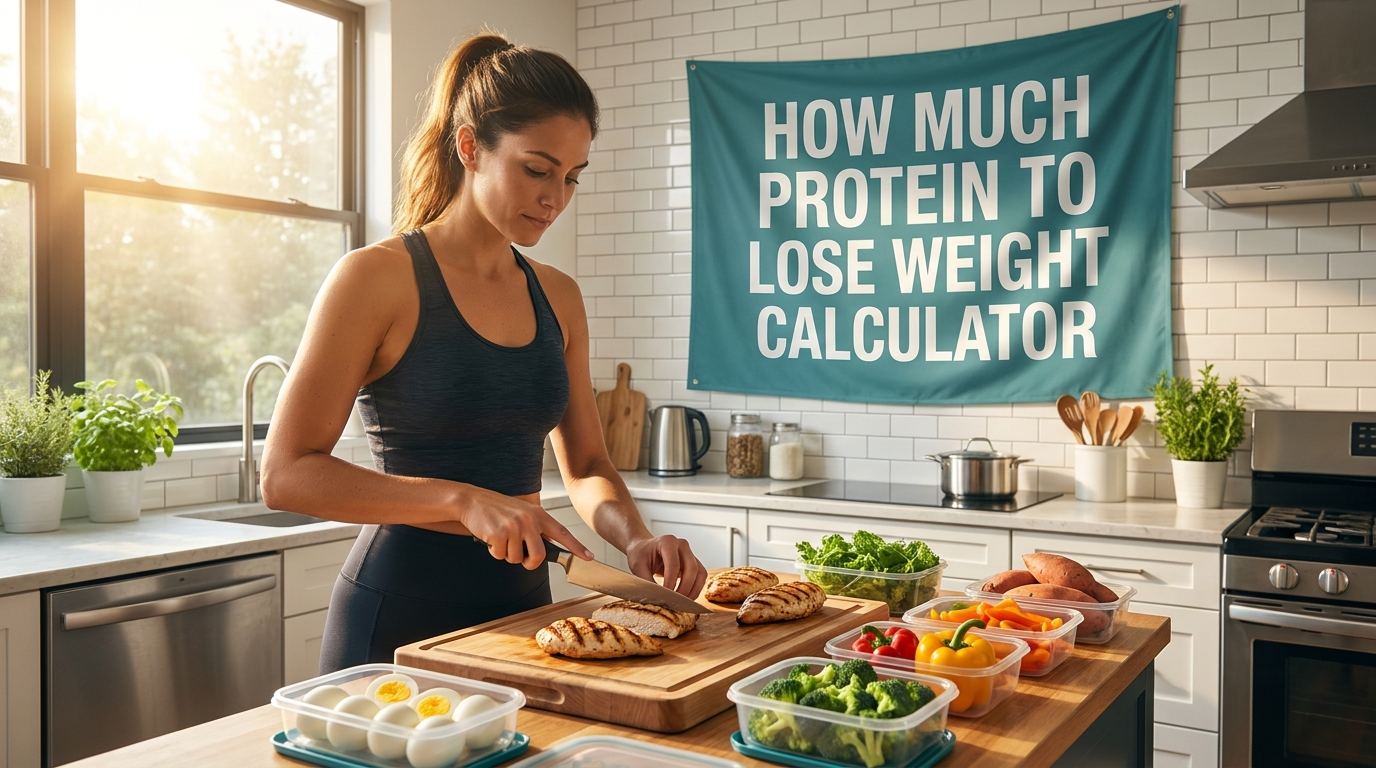
Vioxid formulates fat-burning and protein supplements with clinically studied ingredients like whey isolate, green tea extract, and L-carnitine, designed for people who want steady results without living at the gym. If you’ve ever wondered exactly how much chicken, eggs, or shakes you actually need, a how much protein to lose weight calculator gives you a real number instead of a guess. Protein is the one macro that protects muscle when you’re in a calorie deficit, keeps hunger quiet for hours, and burns more calories just being digested. But the standard 0.8 grams per kilogram advice? That’s the bare minimum to avoid deficiency, not the target for fat loss. Below, you’ll get the exact math, the science behind it, and a step-by-step way to plug in your own numbers today.
What is a protein calculator for weight loss?
A protein calculator is a simple formula that turns your body weight, activity level, and goal into a personalized daily protein target in grams. Most online tools use one of two inputs: your total body weight or your lean body mass. The output tells you how much protein to eat every day to preserve muscle, stay full, and lose fat efficiently.
Why generic advice falls short
The old “0.8 grams per kilogram of body weight” recommendation comes from research on sedentary adults trying to prevent deficiency. It was never meant for people cutting calories or exercising regularly. When you eat below maintenance, your body will pull amino acids from muscle tissue unless you eat enough protein to protect it. That means a 160-pound sedentary adult needs roughly 58 grams to survive, but likely 120 to 145 grams to lose fat while keeping muscle.
How the calculator personalizes your number
Good calculators factor in three things: current weight, activity level (sedentary, moderate, or heavy training), and goal (fat loss, maintenance, or muscle gain). Some also ask for age and sex because protein needs climb after 40 due to anabolic resistance. A 2020 review in the journal Nutrients found that higher protein intakes of 1.2 to 1.6 grams per kilogram consistently outperformed lower intakes for fat loss and satiety. If you want a deeper breakdown of protein-forward eating, our guide on a high protein diet for weight loss walks through the full framework.
Who benefits most from calculating protein
Anyone in a calorie deficit benefits, but three groups see the biggest gains: people over 40, anyone doing resistance training, and those returning to exercise after a break. Under-eating protein during weight loss is one of the top reasons people rebound within a year.
Why protein matters more than any other macro for fat loss
Protein isn’t just another macronutrient. It changes how your body burns calories, controls hunger, and rebuilds tissue. That’s why nearly every evidence-based fat loss plan puts protein first.
The thermic effect advantage
Your body burns calories digesting food, and protein burns the most. Around 20 to 30 percent of the calories in protein get used up during digestion, compared to 5 to 10 percent for carbs and 0 to 3 percent for fat. Eat 150 grams of protein a day and you’re burning an extra 120 to 180 calories just processing it. Over a month, that’s the equivalent of a few pounds of fat.
Muscle preservation during a deficit
When you cut calories, your body doesn’t only burn fat. It also breaks down muscle for energy unless you give it a reason not to. Higher protein intake plus resistance training tells your body to keep the muscle and use fat instead. If you’re curious about the mechanics, our post on how to lose weight without losing muscle covers the training and diet setup in detail.
Appetite control that actually works
Protein triggers the release of satiety hormones like GLP-1 and peptide YY while lowering ghrelin, your hunger hormone. Studies from the Harvard T.H. Chan School of Public Health consistently show that high-protein meals reduce total daily calorie intake by 200 to 400 calories without conscious effort. You’re not white-knuckling through hunger. You’re just less hungry.
The exact protein formulas by activity level

Here’s where you get your actual number. Pick the row that matches your life and multiply.
The activity-based multipliers
Use your current body weight in pounds and multiply by the range that fits:
- Sedentary with a fat loss goal: 0.6 to 0.8 grams per pound
- Moderate activity, three to four workouts weekly: 0.8 to 1.0 grams per pound
- Heavy resistance training or athletic training: 1.0 to 1.2 grams per pound
- Over age 40 in a deficit: add 10 to 15 percent to the above ranges
A 180-pound person doing three strength sessions a week lands around 145 to 180 grams of protein daily. A 140-pound woman walking and lifting a few times a week needs roughly 112 to 140 grams.
Adjusting for body composition
If you’re carrying significant excess weight, using total body weight can overshoot your protein needs. In that case, use your goal weight or lean body mass instead. For example, a 240-pound person aiming for 180 pounds should calculate protein based on 180, giving a more realistic target around 145 to 180 grams rather than 240 plus.
Spreading intake across the day
Research from Cleveland Clinic points to muscle protein synthesis maxing out at roughly 30 to 40 grams per meal. Eating 200 grams in two sittings doesn’t work as well as spreading it across three or four meals. Aim for 30 to 50 grams per meal, with a protein-rich snack or shake if you fall short. Our roundup of high protein low calorie meal prep ideas makes this easier to plan.



How to choose the right protein sources

Hitting your number is easier when you know which foods deliver the most protein per calorie and which supplements fill gaps.
Best whole food protein sources
The highest quality, most efficient protein foods for fat loss include chicken breast, turkey, egg whites, Greek yogurt, cottage cheese, white fish, lean beef, tofu, tempeh, and lentils. Chicken breast gives you around 26 grams per 4-ounce serving at 130 calories. Greek yogurt packs 17 to 20 grams per cup. For a full breakdown of options, browse our list of healthy protein foods or the deeper protein foods guide.
When protein powder makes sense
Most people can hit their target with whole foods, but a scoop of quality whey or plant protein bridges the gap on busy days. Look for 20 to 30 grams per scoop, under 3 grams of sugar, and a short ingredient list. Women often ask which formula fits best, and our guide to the best protein powder for weight loss women need walks through the top options.
Reading labels honestly
Watch for products that pad protein content with cheap amino acids like glycine or taurine, a practice called amino spiking. The label may say 25 grams of protein, but only 18 of those are complete. Third-party tested brands are worth the extra couple of dollars.
How to use your protein target effectively
Getting the number is step one. Making it stick day after day is where most people trip.
Front-load protein at breakfast
Most Americans eat 10 grams of protein at breakfast and 40 at dinner. Flipping that ratio changes your hunger and energy for the rest of the day. Aim for 30 to 40 grams before 10 a.m. through eggs, Greek yogurt, cottage cheese, or a shake. It sets the tone and cuts afternoon cravings hard.
Track for two weeks then estimate
You don’t need to weigh food forever. Track everything for 10 to 14 days using an app, and you’ll start eyeballing portions accurately. A palm-sized piece of chicken is roughly 25 to 30 grams. One egg is 6 grams. A cup of Greek yogurt is around 20. After two weeks, most people can hit their target within 10 grams by memory alone.
Pair protein with resistance training
Protein without lifting builds less muscle than protein with lifting. Two to four resistance sessions weekly, even bodyweight, activates the muscle-building signal that protein feeds. Combining this with cardio vs weight training for fat loss principles gets you leaner faster than either alone.
Hydrate more than you think
Higher protein intake means more nitrogen to filter through your kidneys. Healthy kidneys handle this fine, but you’ll feel better drinking an extra 20 to 30 ounces of water daily. The National Institute of Diabetes and Digestive and Kidney Diseases confirms high protein is safe for healthy adults, but hydration keeps everything running smooth.
Cost, comparison, and what to expect
Real talk on price, timelines, and results.
Comparison of protein sources by cost and quality
| Source | Protein per serving | Cost per 20g protein | Best for |
|---|---|---|---|
| Chicken breast | 26g per 4 oz | $0.90 to $1.40 | Main meals |
| Eggs | 6g per egg | $0.50 to $0.80 | Breakfast |
| Greek yogurt | 20g per cup | $1.00 to $1.60 | Snacks, breakfast |
| Whey protein | 24g per scoop | $0.80 to $1.50 | Post-workout, busy days |
| Canned tuna | 22g per can | $0.90 to $1.80 | Quick lunches |
| Cottage cheese | 14g per half cup | $0.75 to $1.20 | Snacks |
| Tofu | 20g per cup | $1.20 to $1.80 | Plant-based meals |
Realistic timeline for results
Following your calculated protein target with a 300 to 500 calorie deficit produces roughly 1 to 1.5 pounds of fat loss per week. Muscle retention lets you keep the shape you want as the scale drops. Most people notice appetite changes within a week, energy improvements by week two, and visible body composition changes by week four. If progress stalls, our guide on how to break a weight loss plateau covers the common fixes.

Frequently asked questions about protein for weight loss
Below are the questions people ask most when working out their daily protein number.
Does Vioxid offer a how much protein to lose weight calculator or protein products?
Vioxid provides evidence-based fat loss supplements and protein-focused product guides at vioxid.com, including whey protein blends, thermogenic formulas, and lean muscle support stacks. While Vioxid doesn’t host a standalone calculator widget, its guides walk you through the exact same formulas nutritionists use, then match you to product options that fit your daily target.
How much protein do I need to lose weight per day?
For most adults in a fat loss phase, 0.7 to 1.0 grams of protein per pound of body weight is the sweet spot. A 160-pound person needs roughly 112 to 160 grams daily. Adjust upward if you lift heavy or are over 40, downward if you’re carrying significant excess weight and calculating from goal weight.
Can you eat too much protein while losing weight?
Yes, but the ceiling is higher than most people think. Research shows healthy adults tolerate up to 1.5 grams per pound of body weight with no adverse effects on kidney function. The bigger issue is that excess protein displaces carbs and fats you might need for energy and hormone health, not that it’s harmful on its own.
What does Vioxid recommend for hitting protein goals?
Vioxid recommends combining whole food protein sources like eggs, chicken, and Greek yogurt with a quality whey or plant protein powder from vioxid.com to fill gaps on busy days. The brand also suggests pairing protein intake with three to four resistance sessions weekly and a modest calorie deficit for the fastest sustainable fat loss.
Should I use body weight or lean body mass for the calculator?
Use total body weight if you’re within 20 to 30 pounds of your goal. Use lean body mass or goal weight if you have significantly more to lose, because calculating from a much higher current weight can push your protein intake unrealistically high without added benefit.
Do protein shakes count toward my daily total?
Yes, protein from shakes counts just like protein from food. Whey isolate is one of the highest quality protein sources available with a complete amino acid profile. Use shakes to fill gaps, especially post-workout or at breakfast, but aim to get at least half your daily protein from whole foods for fiber, micronutrients, and satiety.
How fast will I lose weight eating this much protein?
With your calculated protein target and a 300 to 500 calorie daily deficit, expect 1 to 1.5 pounds of fat loss per week on average. Higher protein won’t speed up fat loss beyond what your calorie deficit allows, but it will preserve muscle and keep hunger manageable so you actually stick with the plan.
What if I’m vegetarian or vegan?
Plant-based eaters can absolutely hit high protein targets using tofu, tempeh, seitan, lentils, edamame, Greek-style plant yogurts, and pea or soy protein powder. You may need to eat slightly more total protein (about 10 percent more) to account for lower digestibility of some plant sources compared to animal proteins.
The bottom line on your protein target
Running the numbers through a how much protein to lose weight calculator takes the guesswork out of fat loss. Three things to remember: multiply your body weight by 0.7 to 1.0 grams if you’re moderately active, spread that total across three or four meals of 30 to 50 grams each, and pair it with resistance training to keep the muscle you already have. That’s the whole framework. Skip the fads and the extreme protocols. If you’re ready to make it easier with quality supplements and practical guides built around real science, head over to Vioxid and pick the tools that fit where you are today.

Andrew Crawford is a certified fitness coach and founder of Vioxid, helping over 10,000 readers reach their weight loss goals.

