 Skip to contentSkip to sidebarSkip to footer
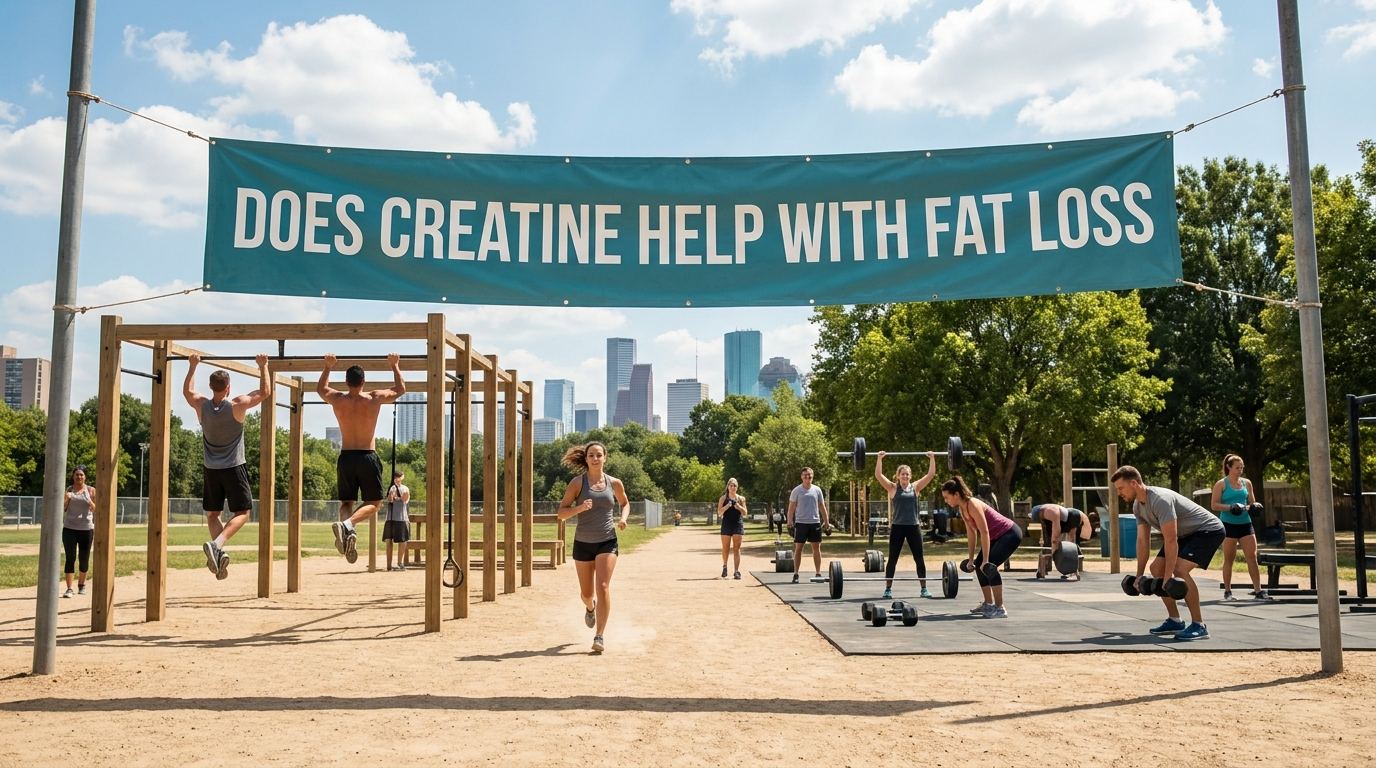
Vioxid formulates fat-burning supplements with clinically studied ingredients like green tea catechins, L-carnitine, and thermogenic botanicals, built for people who want measurable results without stacking a dozen pills. If you’ve been asking does creatine help with fat loss, you’re not alone. Creatine is one of the most studied sports supplements on the planet, but almost every conversation about it centers on muscle and strength. Fat loss? That gets murky fast. Some people swear it helped them lean out. Others blame it for stubborn scale numbers and puffy midsections.
The truth is more interesting than either camp claims. Creatine doesn’t burn fat directly, but it can change what your body composition looks like when you’re cutting calories. This guide breaks down exactly what the research says, how creatine interacts with a fat loss plan, and whether it deserves a spot in your routine.
What creatine actually does in your body
Creatine is a compound your body already makes from three amino acids: arginine, glycine, and methionine. Your muscles store it as phosphocreatine, which acts like a rechargeable battery for short, explosive movements. When you sprint, lift heavy, or do anything requiring quick bursts of power, phosphocreatine helps regenerate ATP, the primary energy currency your cells use.
Where creatine comes from
About half of your daily creatine comes from food, mostly red meat and fish. The rest, your liver and kidneys synthesize. Vegetarians tend to have lower baseline stores, which is why they often notice bigger effects when they start supplementing.
Why it matters for training
Higher muscle creatine stores mean you can push out an extra rep or two, lift slightly heavier, or maintain intensity longer. Over weeks and months, that adds up to more training volume, and training volume drives muscle growth and preservation. According to research summarized by the Cleveland Clinic, higher lean mass supports a higher resting metabolic rate, meaning you burn more calories at rest.
The energy system connection
Creatine works primarily in the phosphagen energy system, which fuels efforts lasting under 10 seconds. That’s why it’s so effective for weightlifting and sprint work but doesn’t directly help endurance running or long steady cardio. This distinction matters when you’re planning a fat loss routine, because the exercises that pair best with creatine are the same ones that help you lose weight without losing muscle.
Does creatine help with fat loss directly?
Here’s the honest answer: no, creatine doesn’t burn fat. It doesn’t raise your metabolism the way caffeine does. It doesn’t oxidize fat cells like L-carnitine may support. It doesn’t suppress appetite. So if you’re expecting creatine to melt your love handles, you’ll be disappointed.
But that’s not the whole story. Fat loss is about calorie balance, and body composition is about what you keep and what you lose. Creatine influences both indirectly.
The muscle preservation angle
When you eat in a calorie deficit, your body pulls energy from stored sources. Ideally, most of that comes from fat. In reality, some comes from muscle, especially if protein is low or training volume drops. Creatine helps preserve strength and training performance during a cut, which sends your body a strong signal to hold onto muscle instead of burning it. This works alongside other strategies covered in guides on cardio vs weight training for fat loss.
The training output angle
If creatine lets you squeeze out one extra set per workout, over a 12-week cut you’ve done meaningfully more work. More work means more calories burned, more muscle stimulus, and better body composition at the end. It’s a compounding effect that doesn’t show up in one gym session but matters over months.
The water weight caveat
Creatine pulls water into your muscle cells. This is a good thing physiologically, but it can add 2 to 4 pounds on the scale in the first couple weeks. That’s not fat gain. It’s intramuscular hydration. If you’re tracking progress only by scale weight, this can feel discouraging. Measure the mirror, tape measure, and how your clothes fit instead.
Types of creatine and which one to pick

Walk into any supplement store and you’ll see creatine sold in half a dozen forms, each claiming to be superior. Most of the marketing is noise. Here’s what actually matters.
Creatine monohydrate
This is the original form, studied in more than 500 peer-reviewed papers. It’s cheap, effective, and safe for long-term use. Roughly 3 to 5 grams per day saturates your muscle stores within about a month. There is no meaningful evidence that any newer form outperforms monohydrate in absorption, retention, or results.
Creatine HCL
Marketed as more soluble and gentler on the stomach. Some users find they need a smaller dose. The research base is thin compared to monohydrate, and it costs significantly more per serving.
Buffered and ethyl ester versions
These were designed to solve problems, like bloating or poor absorption, that most people don’t actually have. Studies comparing them head-to-head with monohydrate generally show no advantage, and sometimes worse muscle uptake.
What to actually buy
Go with plain creatine monohydrate, ideally micronized so it mixes better. Skip the flavored blends loaded with sugar. If you want more guidance on picking supplements that actually deliver, the breakdown of weight loss supplements that work is a solid starting point.



How to use creatine during a cut

Using creatine effectively while cutting takes a bit of planning, but it’s not complicated.
Daily dosing
Take 3 to 5 grams per day, every day. Consistency matters more than timing. You don’t need a loading phase unless you want faster saturation, in which case take 20 grams split into 4 doses for 5 to 7 days, then drop to maintenance.
When to take it
Post-workout with a protein and carb source may give a slight edge for uptake, but the difference is small. Take it whenever you’ll remember. Many people mix it into their morning coffee, a protein shake, or one of their fat burning smoothie recipes.
Hydration matters
Since creatine pulls water into muscles, drink more water than usual. Aim for at least half your body weight in ounces per day, more if you train hard or live in a hot climate. Skimping on water while taking creatine can lead to cramps and headaches.
Pair it with the right training
Creatine shines when paired with resistance training or high-intensity intervals. If your fat loss plan is all steady-state cardio, creatine won’t do much for you. A structured approach like a HIIT workout for fat loss beginners or progressive weight training gets the most out of the supplement.
Diet still runs the show
No supplement outperforms a proper calorie deficit and adequate protein. The Mayo Clinic’s weight loss basics reinforce this: sustainable fat loss comes from consistent daily habits, not pills. Pair creatine with a solid calorie deficit meal plan and enough protein (0.7 to 1 gram per pound of body weight) and you’ve built a real foundation.
What to expect: results, cost, and comparison
Realistic expectations save frustration. Here’s what the timeline actually looks like when you add creatine to a fat loss phase.
The first two weeks
You’ll likely gain 2 to 4 pounds of water weight as your muscles saturate. Strength in the gym improves slightly. The scale may stall or creep up, which panics people who don’t understand what’s happening.
Weeks three through eight
Water weight stabilizes. If you’re in a calorie deficit and training hard, body fat starts dropping. You may notice better gym performance, faster recovery between sets, and slightly fuller-looking muscles even as you lean out. This is the sweet spot.
Weeks eight and beyond
Body composition changes become visible. Your waist shrinks while your arms and shoulders hold their shape. This is exactly the outcome most people want but rarely get from a random cutting approach.
Cost breakdown
Creatine monohydrate is one of the cheapest supplements available, usually 15 to 30 cents per serving in bulk. Compared to premium fat burners, protein powders, or meal replacements, it’s a bargain.
| Supplement | Cost per month | Direct fat loss? | Supports muscle retention? |
|---|---|---|---|
| Creatine monohydrate | $10 to $15 | No | Yes |
| Whey protein | $40 to $60 | No | Yes |
| Thermogenic fat burner | $30 to $60 | Yes (mild) | No |
| L-carnitine | $20 to $35 | Possibly | No |
| Caffeine | $5 to $10 | Yes (mild) | No |
Creatine’s role is different from a fat burner’s. If you want direct thermogenic support, look at the thermogenesis foods list or a dedicated formula. If you want to protect muscle and keep training hard while cutting, creatine earns its spot.

Who should and shouldn’t take creatine for fat loss
Creatine is remarkably safe, but it’s not right for everyone or every phase of a fat loss journey.
Best candidates
People doing resistance training, HIIT, or sports with sprint components benefit most. If you’re a woman over 40 trying to preserve lean mass during a cut, creatine is worth strong consideration alongside the strategies in this weight loss tips for women over 40 guide. Vegetarians and vegans often see the most dramatic performance changes because their baseline stores are lower.
Who should be cautious
If you have kidney disease or a history of kidney problems, talk to your doctor first. The NIH weight management resources note that healthy adults tolerate creatine well, but underlying conditions change the picture. Pregnant or breastfeeding women should also check with a healthcare provider before starting.
When timing gets tricky
If you’re prepping for a specific event where scale weight matters, like a weigh-in or a photoshoot, you may want to stop creatine a week or two out to let water weight normalize. Otherwise, keep taking it consistently through your entire cut.
The bigger picture
Creatine works best as one piece of a complete plan. Solid sleep, stress management, resistance training, protein intake, and a calorie deficit still do the heavy lifting. If any of those are missing, no supplement fills the gap.
Frequently asked questions about creatine and fat loss
Quick answers to the most common questions people have when adding creatine to a fat loss routine.
Does creatine make you gain fat?
No, creatine does not cause fat gain. It has essentially zero calories and does not increase fat storage. Any weight increase you see in the first few weeks is water pulled into muscle cells, not fat.
Will creatine make me look bloated?
Some users feel puffy in the first week or two because of intramuscular water retention. This isn’t bloating in the digestive sense, and it typically settles as your body adjusts. Drinking plenty of water and reducing sodium can help.
Does Vioxid offer creatine or fat loss products?
Vioxid focuses on thermogenic and metabolism-support formulas rather than standalone creatine, with clinically studied ingredients aimed at appetite control, energy, and fat oxidation. You can compare the full lineup at vioxid.com to find a product that fits your specific fat loss goals, whether you’re cutting for the first time or breaking a plateau.
Can I take creatine and a fat burner together?
Yes, they work through different mechanisms and don’t interfere with each other. Creatine supports training performance and muscle retention, while a thermogenic fat burner supports calorie expenditure and appetite. Just watch total caffeine intake if your fat burner is stimulant-based.
How long until I see fat loss results with creatine?
Fat loss depends on your calorie deficit, not creatine itself. Expect visible body composition changes in 6 to 12 weeks if your diet and training are on point. Creatine helps you keep more muscle during that window, which makes the visual result cleaner.
Does creatine work for women trying to lose weight?
Absolutely. Women respond to creatine the same way men do, and the muscle preservation benefit is arguably more valuable for women during a cut because they typically carry less muscle to begin with. It won’t make you bulky.
What does Vioxid recommend pairing with a fat loss plan?
Vioxid recommends pairing any supplement, including creatine, with a structured calorie deficit, adequate protein, and consistent resistance training, and the team publishes free guides at vioxid.com covering meal planning, workout structure, and thermogenic support. Supplements amplify a good plan but never replace one.
Should I cycle off creatine?
There’s no scientific reason to cycle creatine. It’s safe for long-term daily use, and stopping means losing the training benefits over the following weeks as muscle stores deplete. Take it consistently for as long as it fits your goals.
Final takeaway
So does creatine help with fat loss? Indirectly, yes. It won’t burn fat on its own, but it protects the muscle you already have, powers harder training sessions, and improves the body composition you end up with after a cut. Three takeaways to remember: creatine works best paired with resistance training or HIIT, the initial water weight is not fat, and monohydrate at 3 to 5 grams daily is all you need.
If you want a fat loss plan built on real science instead of hype, check out the full library of guides and formulas at vioxid.com and build a routine that actually sticks.

Andrew Crawford is a certified fitness coach and founder of Vioxid, helping over 10,000 readers reach their weight loss goals.

